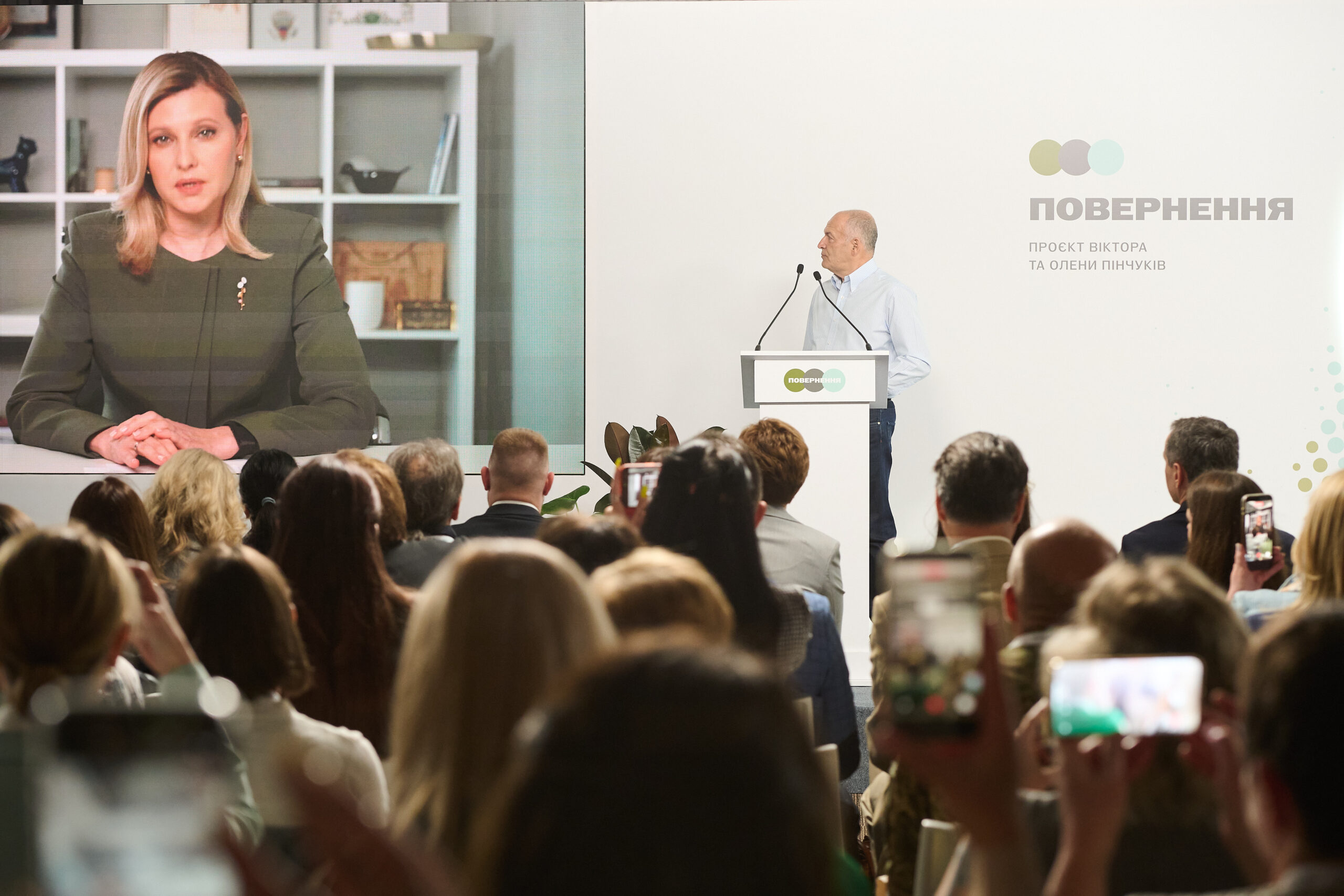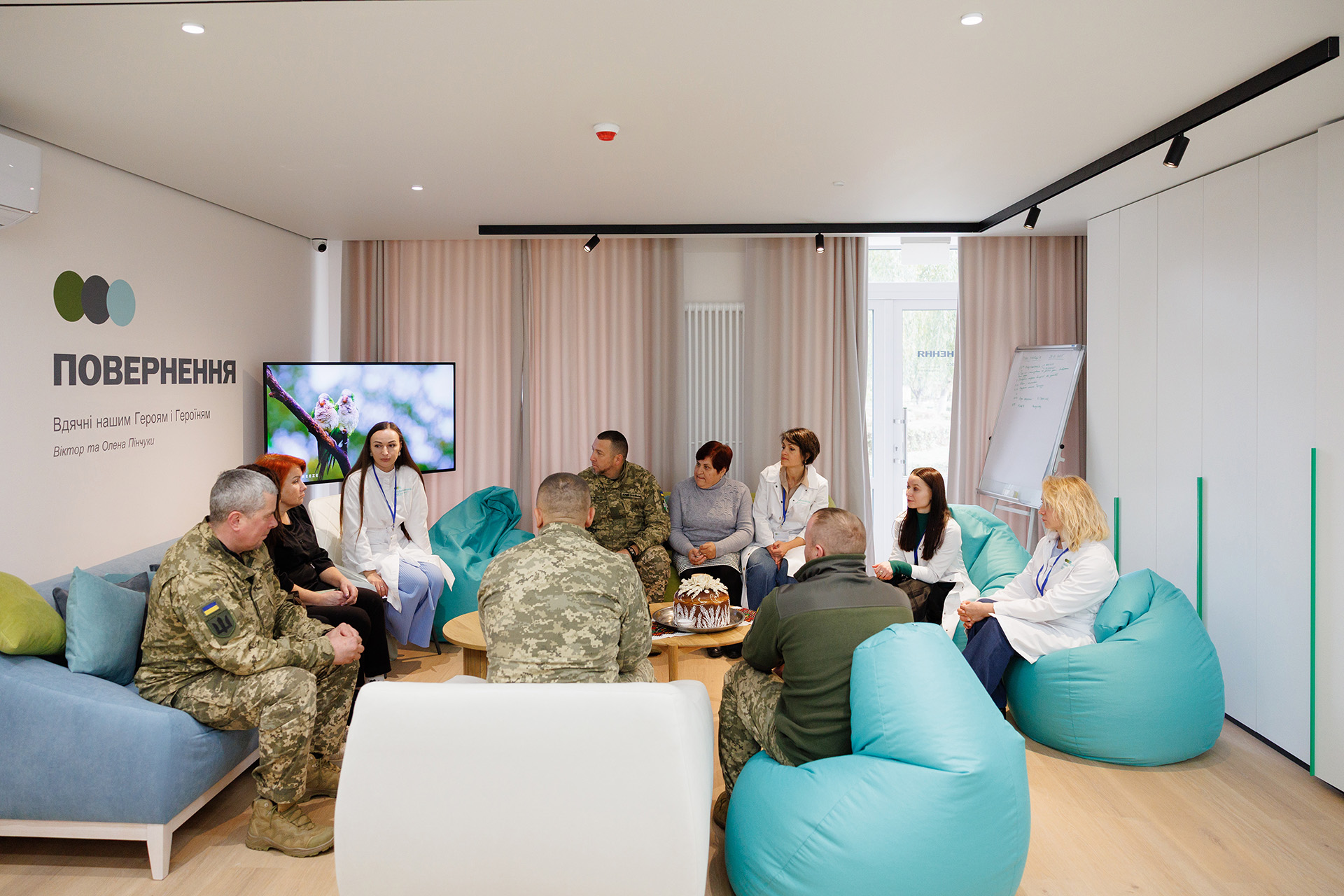
A welcoming and inclusive RETURNING mental health center for military personnel, veterans, and their family members has opened in Rivne. This is the fifth center in the nationwide network founded by Victor and Olena Pinchuk to support Ukraine’s Security and Defense Forces.
Every year, 4,000 defenders will be able to receive high-quality and free psychological support at the Rivne RETURNING center.
 Military personnel, veterans, and their family members experiencing the consequences of psychological trauma can seek support at the RETURNING mental health center in Rivne. The center’s specialists work with post-traumatic stress disorder (PTSD), anxiety and depressive conditions, adjustment and psychosomatic difficulties, emotional exhaustion, panic attacks, sleep disorders, and other conditions.
“When a loved one is at war, two people are at war. Alongside every defender, there is a family going through its own journey of anxiety, waiting, and, sadly, sometimes loss. That is why mental health support must include not only military personnel and veterans, but also their loved ones. Recovery is a shared process, and the strength of a family often becomes the foundation on which a person’s faith in themselves and in life after the war can grow,” said Svitlana Hrytsenko, Head of the RETURNING project.
The RETURNING project demonstrates a successful partnership between the private sector and the state, with philanthropists establishing mental health centers at public healthcare facilities. The new RETURNING center has been established at one of the key healthcare facilities in the Rivne region. As part of the project, the first-floor premises underwent major renovations, creating a fully barrier-free space with wide doorways, no thresholds, and medical-grade anti-slip linoleum flooring.
The RETURNING mental health center in Rivne includes four rooms for individual and family support, a group therapy room, a two-bed day hospital room with multifunctional electric medical beds and an accessible restroom with a shower, a treatment room, a reception area, a staff lounge with a wardrobe, and accessible restrooms suitable for wheelchair users.

The center’s equipment is an important component of its work. It includes the Shiftwave System (USA), a psychological relaxation and stress management system designed to help reduce anxiety and tension. Specialists also have access to psychological board games, puzzles, metaphorical associative cards, materials for art and sound therapy, anti-stress toys, tactile mats, and massage balls. The center’s team has dedicated workstations with computer equipment, a multimedia projector, and a professional library. This creates the conditions both for high-quality professional work and for patients’ comfort during their visits.
As in other centers of the RETURNING network, the Rivne mental health center is staffed by a multidisciplinary team comprising psychiatrists, psychologists, psychotherapists, and nurses, as well as case managers, social workers, and veteran support specialists when needed. This approach ensures comprehensive support — from initial counseling to long-term therapy.
“Since the first days of the war, the Rivne region has welcomed thousands of wounded military personnel and their families. For many, the region became a temporary home, and for some, a new one. That is why mental recovery is particularly important here. The RETURNING center, in my view, is not simply a place where people receive help, but a space of trust and recovery where everyone can speak openly about their experiences and feelings without fear. According to the WHO, one in five people who have experienced war requires psychological support — and we are here to make that support accessible, timely, and professional,” said Alla Myronchuk, Head of the RETURNING Mental Health Center in Rivne.
High-quality mental recovery is only possible with the involvement of professionals. That is why the RETURNING project implements world-class educational programs for psychologists, psychiatrists, psychotherapists, and other mental health professionals, including training sessions, workshops, and supervision that provide practical tools for working with war-related trauma.
The RETURNING mental health center network was founded by Victor and Olena Pinchuk to help military personnel, veterans, and their families overcome psychological trauma resulting from Russia’s aggression against Ukraine. Today, RETURNING centers are operating in Dnipro, Ternopil, Poltava, Kropyvnytskyi, and Rivne.
At the first stage of the RETURNING project, 20–25 mental health centers are planned to open across Ukraine. Every year, more than 100,000 people will be able to receive professional and free psychological support at these centers, helping them restore their strength, balance, and confidence in themselves.

Other news:
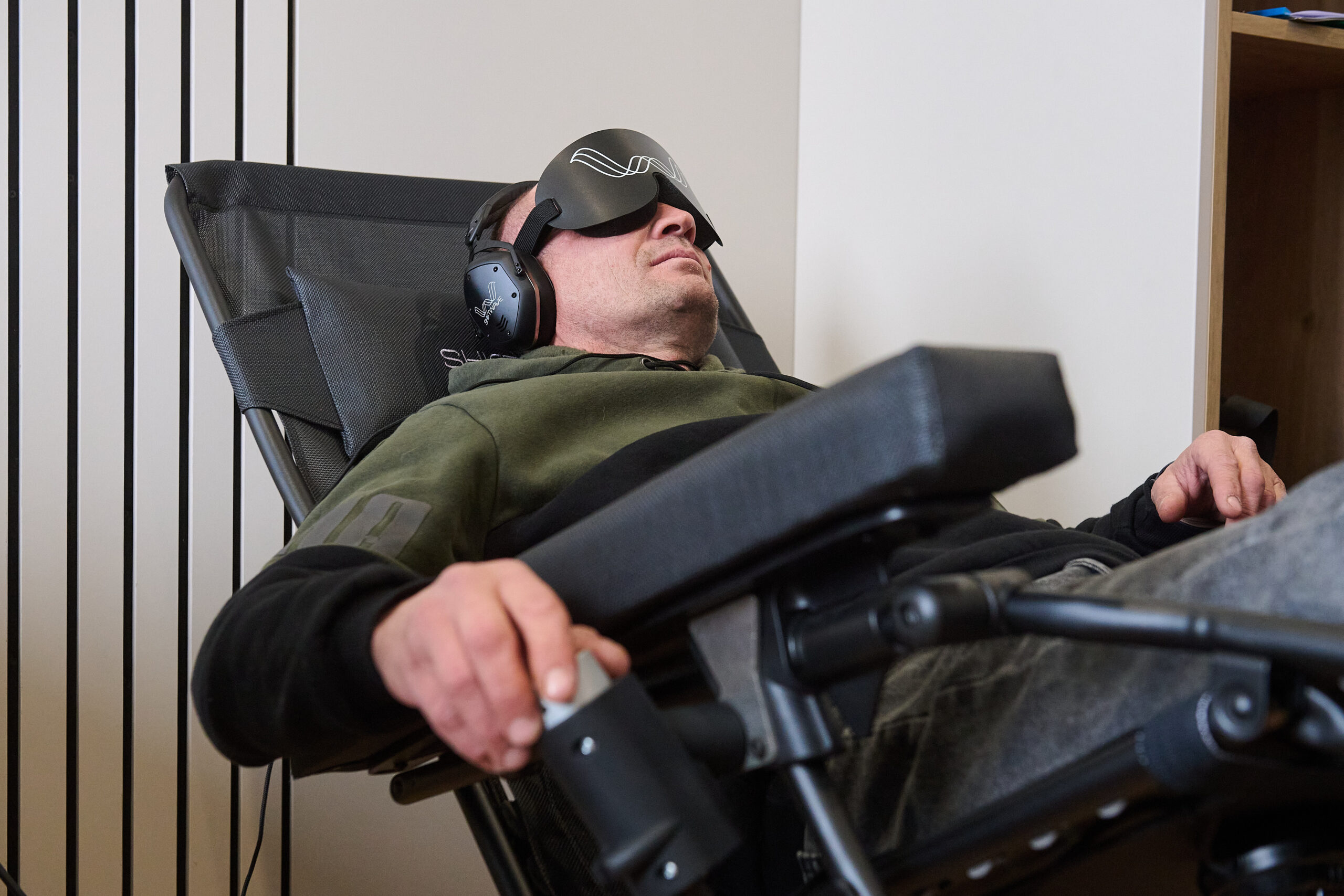
The 18th Mental Health Center of the RETURNING Network, Founded by Victor and Olena Pinchuk, Has Opened in Kremenchuk
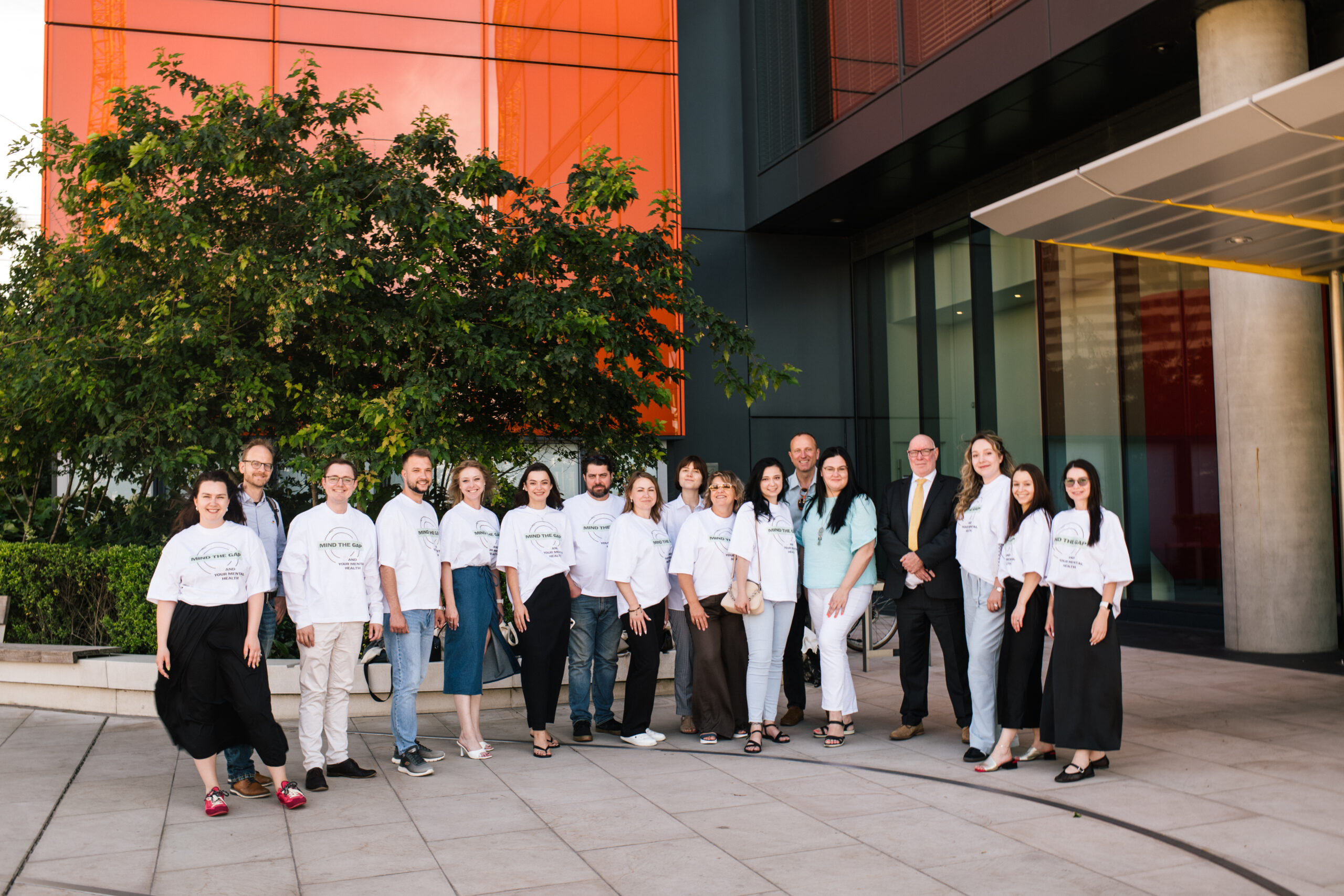
Ukrainian Mental Health Professionals Take Part in Study Visit to the United Kingdom as Part of RETURNING
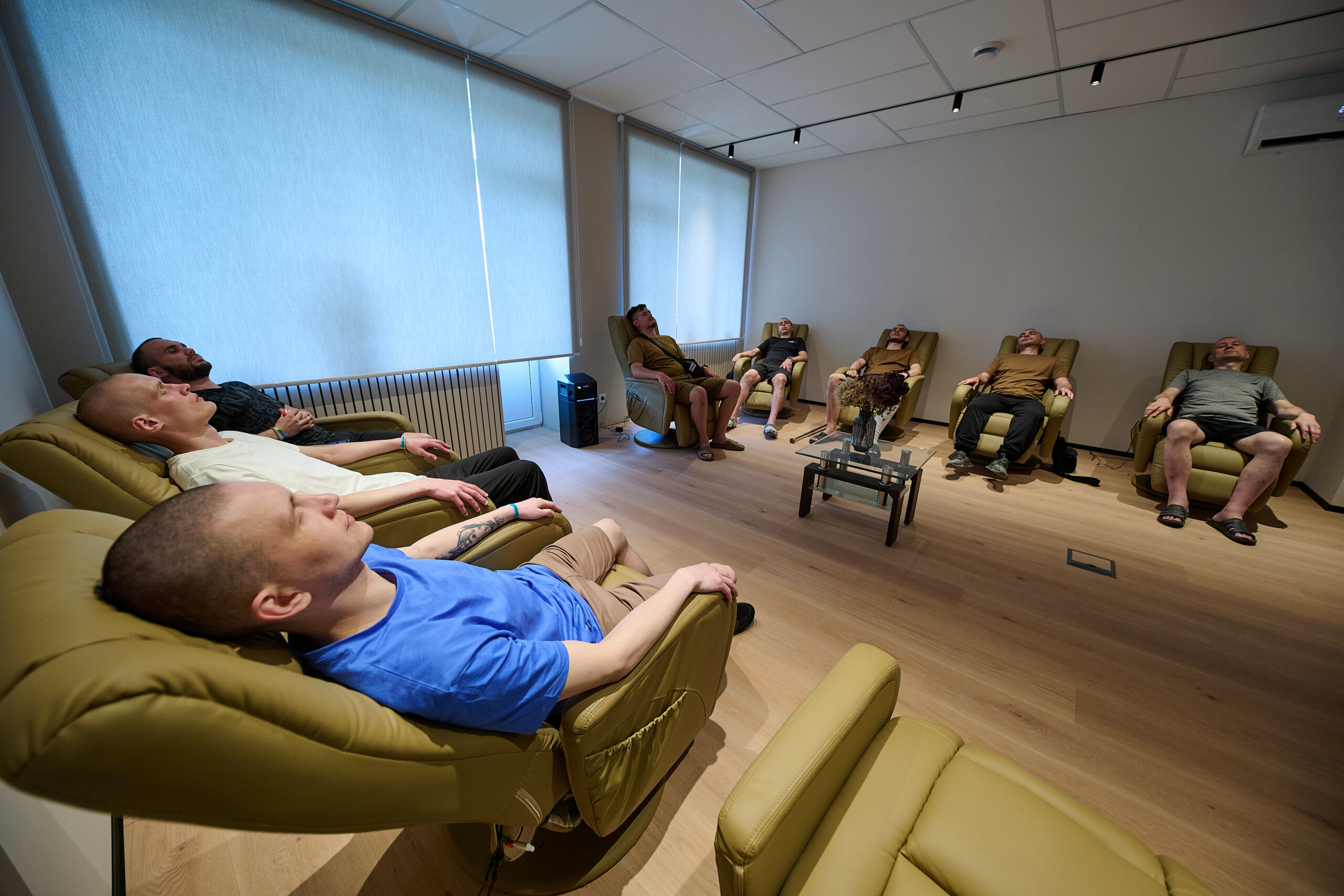
The 17th Mental Health Center in the RETURNING Network Begins Operations at a National Guard of Ukraine Medical Facility
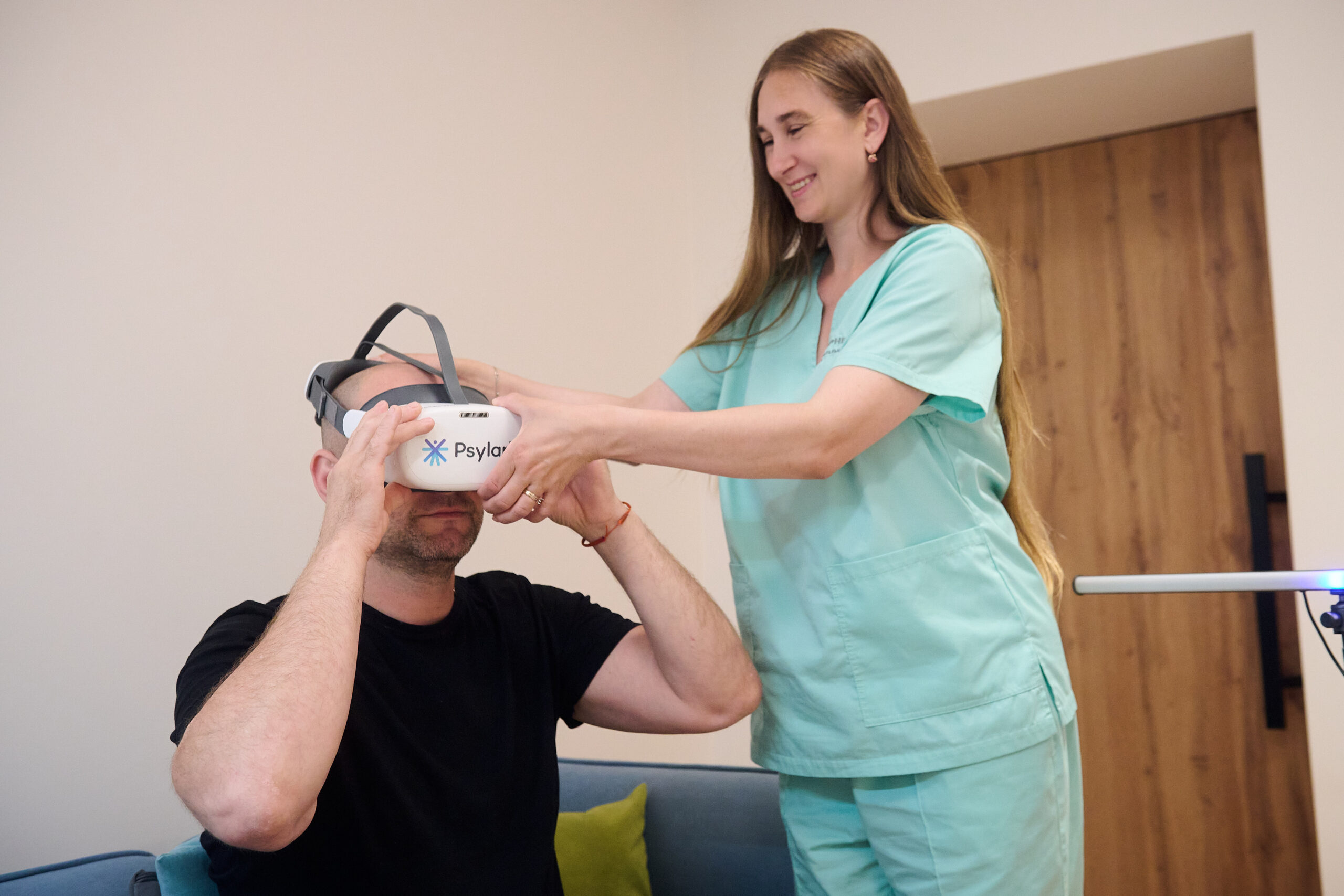
The 16th Mental Health Center in the RETURNING Network Opens in the Kyiv Region