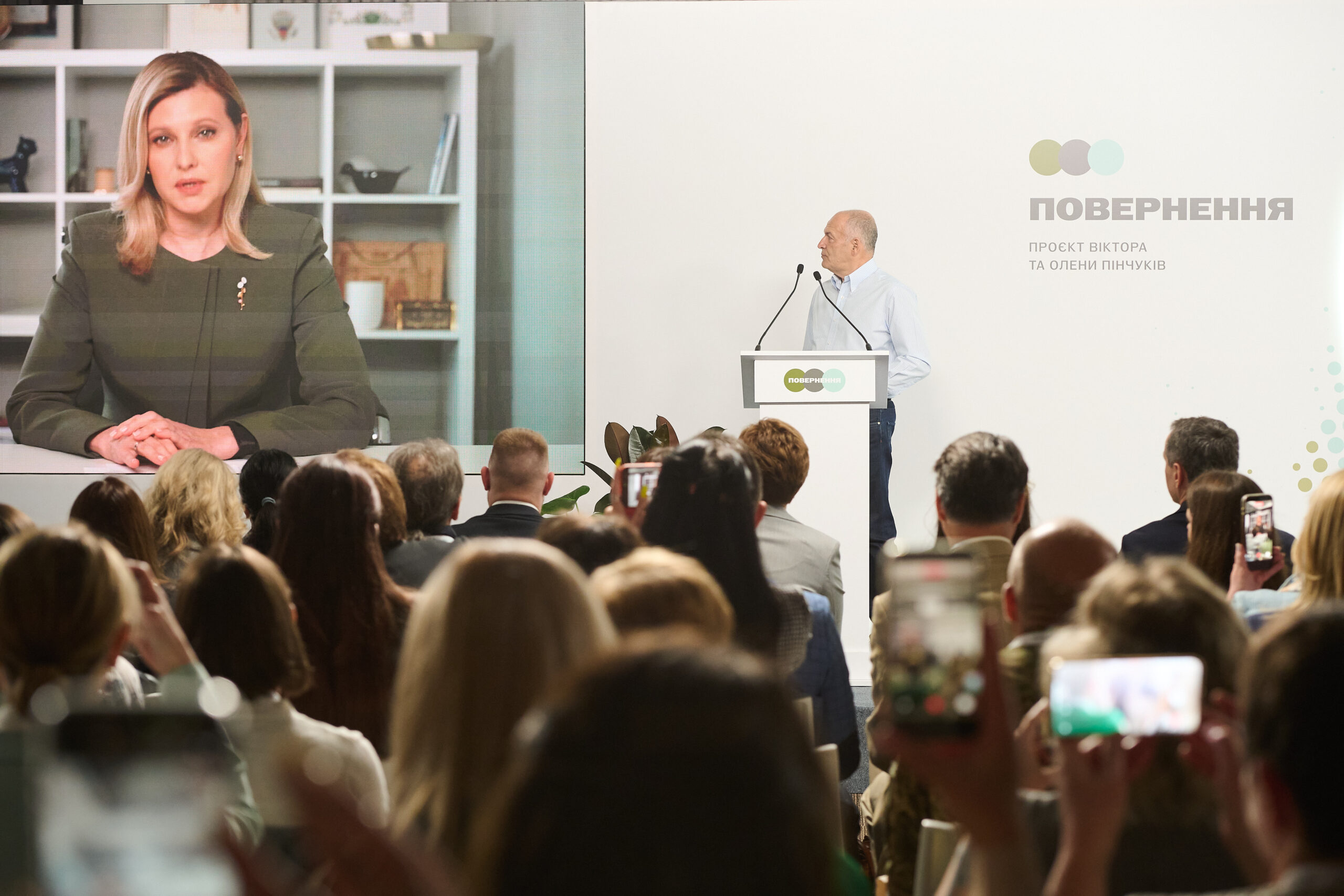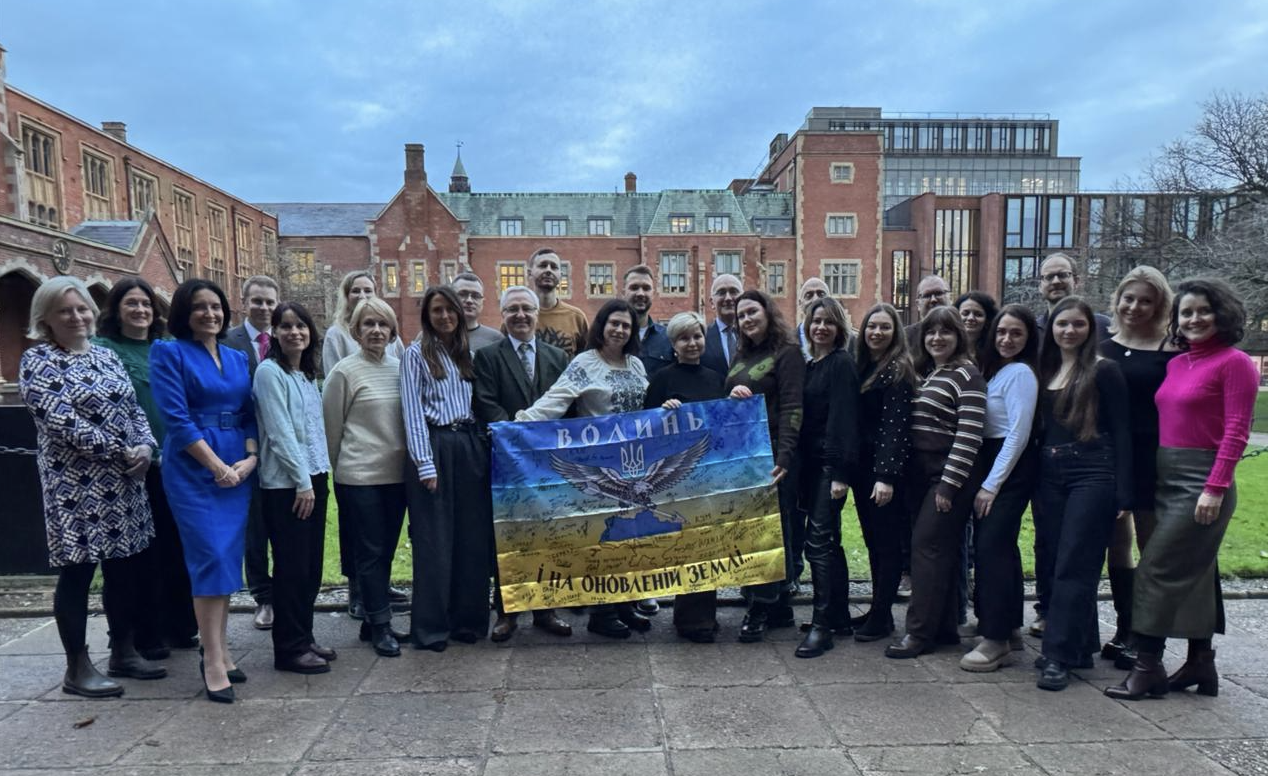
Representatives of the nationwide network of mental health centers RETURNING (Ukr. «ПОВЕРНЕННЯ») — a project founded by Victor and Olena Pinchuk to support the mental health of service members, veterans, and their families — took part in a study visit to Dublin, Ireland, and Belfast, Northern Ireland, as part of the network’s educational programs.
Mental health professionals from 10 regions of Ukraine — Vinnytsia, Dnipropetrovsk, Kyiv, Kirovohrad, Volyn, Odesa, Poltava, Ternopil, Cherkasy, and Chernihiv regions — studied models of cooperation between government institutions, civil society organizations, and private service providers to develop a deeper understanding of approaches to delivering mental health services for veterans and their families.
RETURNING center leaders had the opportunity to visit key institutions in Ireland, including the Department of Health, as well as meet with Minister of State for Mental Health Mary Butler and Dr Lorcan Martin, President of the College of Psychiatrists of Ireland. Participants also visited a number of specialized healthcare facilities to learn how the system operates in practice, including Ballyfermot Community Mental Health Centre, Blanchardstown Acute Inpatient Unit, The Phoenix Care Centre, Arches Recovery College, and the National Forensic Hospital.
In Northern Ireland, the program focused on leading academic and community organizations in Belfast working with trauma, the consequences of conflict, and recovery in post-conflict communities. Participants visited Queen’s University Belfast, the WAVE Trauma Centre, which works with veterans and civilians affected by trauma, and Inspire, a community organization providing comprehensive mental health services.
Ireland was chosen for this visit for a specific reason: its experience of conflict provides a particularly relevant context for Ukraine. From the late 1960s until the signing of the Belfast Agreement in 1998, the island experienced a period of violent conflict known as The Troubles, which resulted in more than 3,500 deaths, tens of thousands of injuries, and around 40,000 people experiencing trauma, loss, or displacement. In response, the country began reforming its mental health system, shifting from institutional care toward community-based services, developing multidisciplinary teams, and introducing support programs for people affected by the conflict.
The main objective of the study visit was to provide Ukrainian specialists with an in-depth understanding of Ireland’s approaches to delivering mental health services for veterans, their families, and people affected by conflict; psychological support for trauma; interventions related to bereavement and grief; suicide prevention; and addiction treatment.
Particular attention was paid to studying a person-centered approach to mental health care, exploring the latest evidence base for effective interventions, and analyzing the relationship between mental health promotion, prevention, and direct interventions.
The study visit to Ireland and Northern Ireland therefore contributed to the development of mental health policy in Ukraine and created additional opportunities to further strengthen the system of care and support for service members, war veterans, and their families.
Other news:
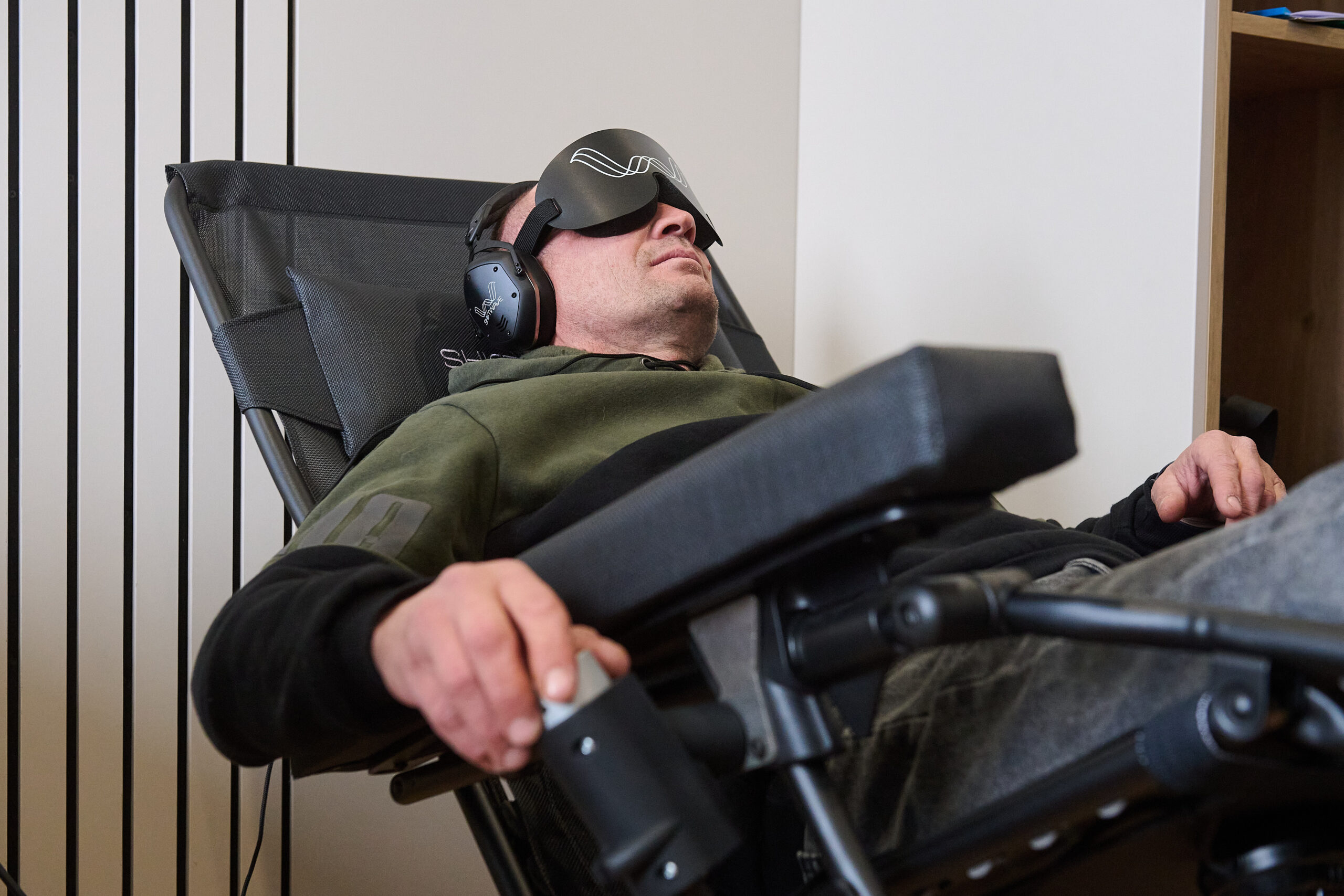
The 18th Mental Health Center of the RETURNING Network, Founded by Victor and Olena Pinchuk, Has Opened in Kremenchuk
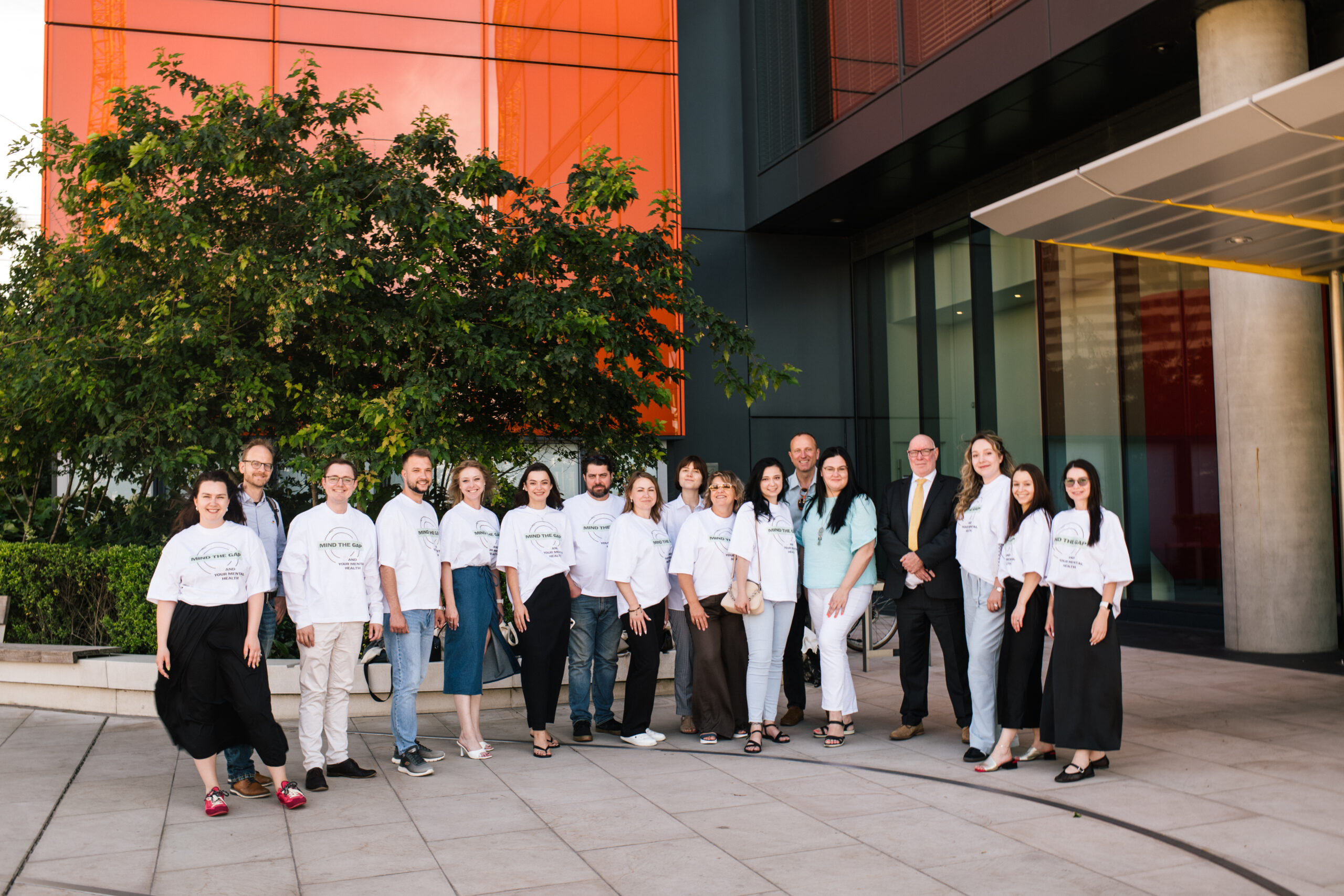
Ukrainian Mental Health Professionals Take Part in Study Visit to the United Kingdom as Part of RETURNING
The 17th Mental Health Center in the RETURNING Network Begins Operations at a National Guard of Ukraine Medical Facility
The 16th Mental Health Center in the RETURNING Network Opens in the Kyiv Region