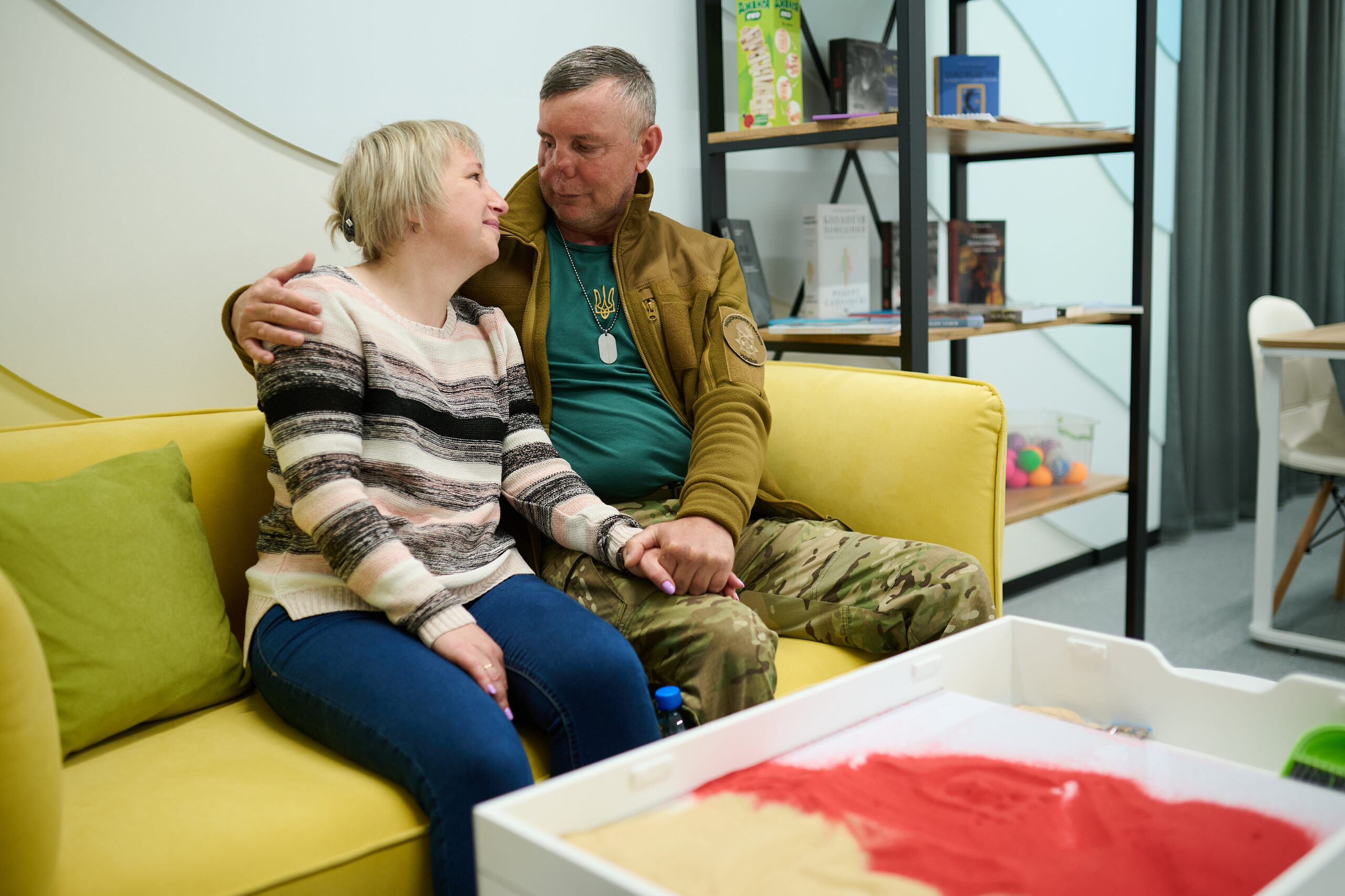
RETURNING (Ukr. «ПОВЕРНЕННЯ»), a project founded by Victor and Olena Pinchuk, held its second annual international research and practice conference, “RETURNING. An Ecosystem of Mental Health Care,” dedicated to supporting service members, veterans and their families.
The event brought together more than 200 participants, including Ukrainian and international experts, healthcare institution leaders, psychiatrists, psychologists, psychotherapists, and representatives of professional associations and organizations from countries including the United States, Ireland and Israel.
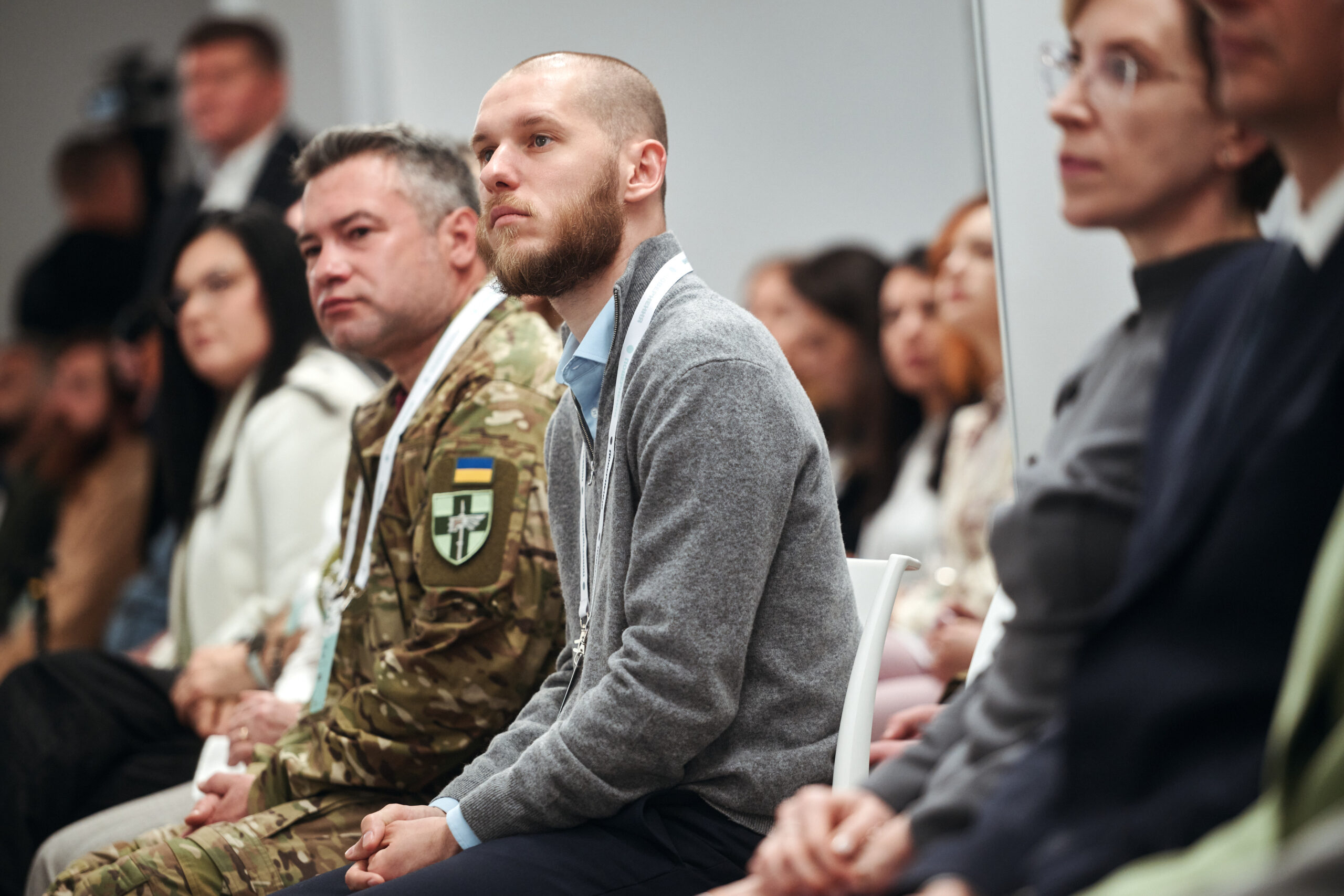
Active-duty service members, veterans and their families also took part, along with representatives of the Office of the President of Ukraine, the Ministry of Health, the Ministry of Veterans Affairs, the Ministry of Defence, the Ministry of Internal Affairs, the Ministry of Social Policy and the National Health Service of Ukraine.
Opening the conference, businessman and philanthropist Victor Pinchuk, founder of RETURNING, spoke about the project’s role in Ukraine’s future mental health ecosystem:
“Ukraine’s mental health ecosystem is currently being developed at several levels. At the initiative of First Lady Olena Zelenska, the state began building this system and is steadily advancing this work. In my view, RETURNING is one part of this future ecosystem—and perhaps already one of its most powerful and tangible elements. These are modern centers for mental health and psychological recovery, created in line with the world’s best models and standards. “To make this possible, we studied leading international experience and are adapting it to the Ukrainian context.”
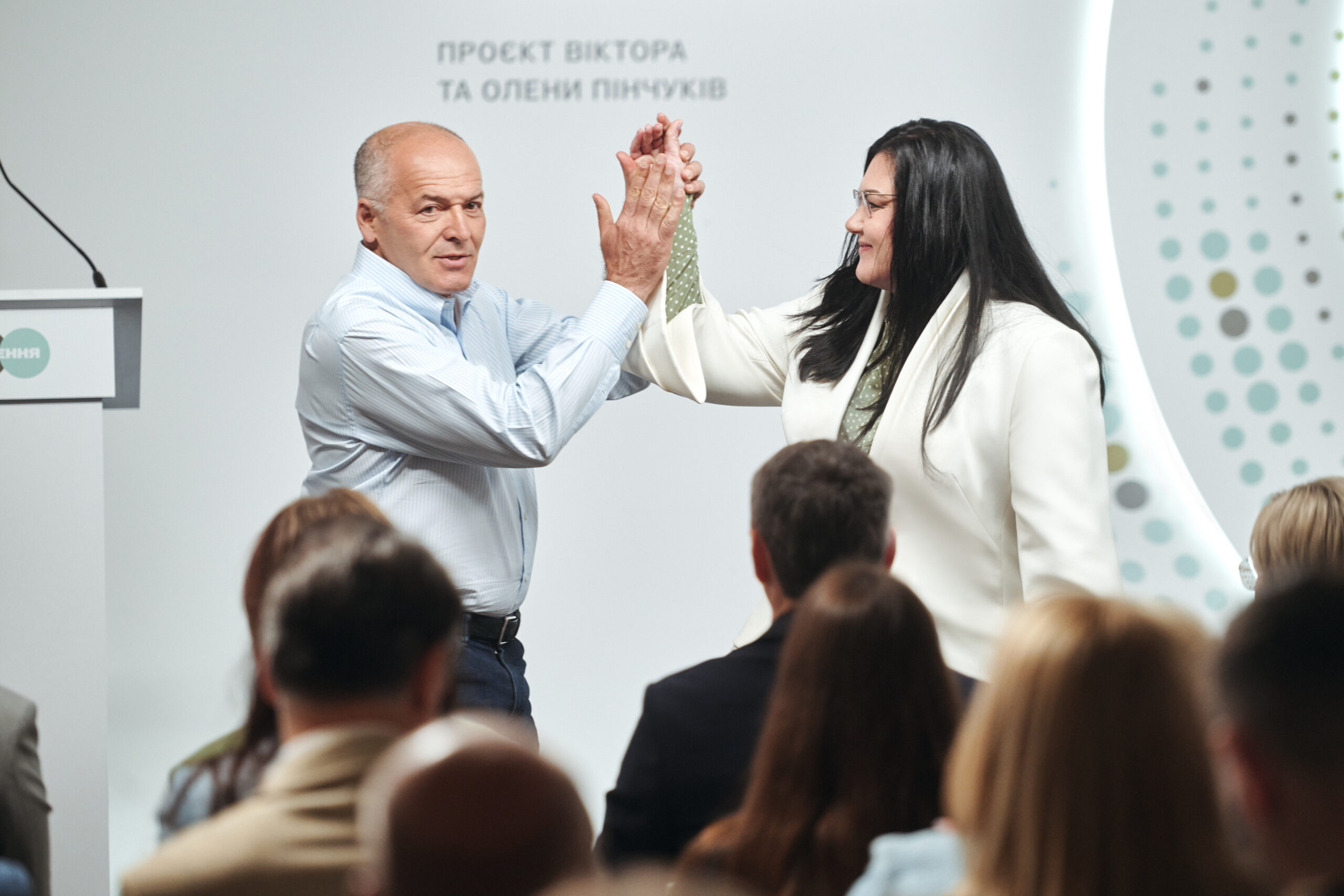
As part of the opening session, First Lady of Ukraine Olena Zelenska, initiator of the All-Ukrainian Mental Health Program “How Are You?”, delivered a special address.
“This private initiative has perfectly strengthened and complemented the national All-Ukrainian Mental Health Program, fitting into it like a missing piece of a puzzle. Through the national program, we are doing everything possible to bring psychological support closer to every Ukrainian: we are opening Resilience Centers and training everyone who works with people to provide psychological support. RETURNING has become an organic part of support pathways, Days of Joint Action, mental health guides and, more broadly, the entire recovery system Ukraine is building. “I know this from experience because I have already visited several centers, including those in Khmelnytskyi and Dnipro. I saw how this synergy works and how proud the regions and institutions are of this cooperation,” Olena Zelenska said.
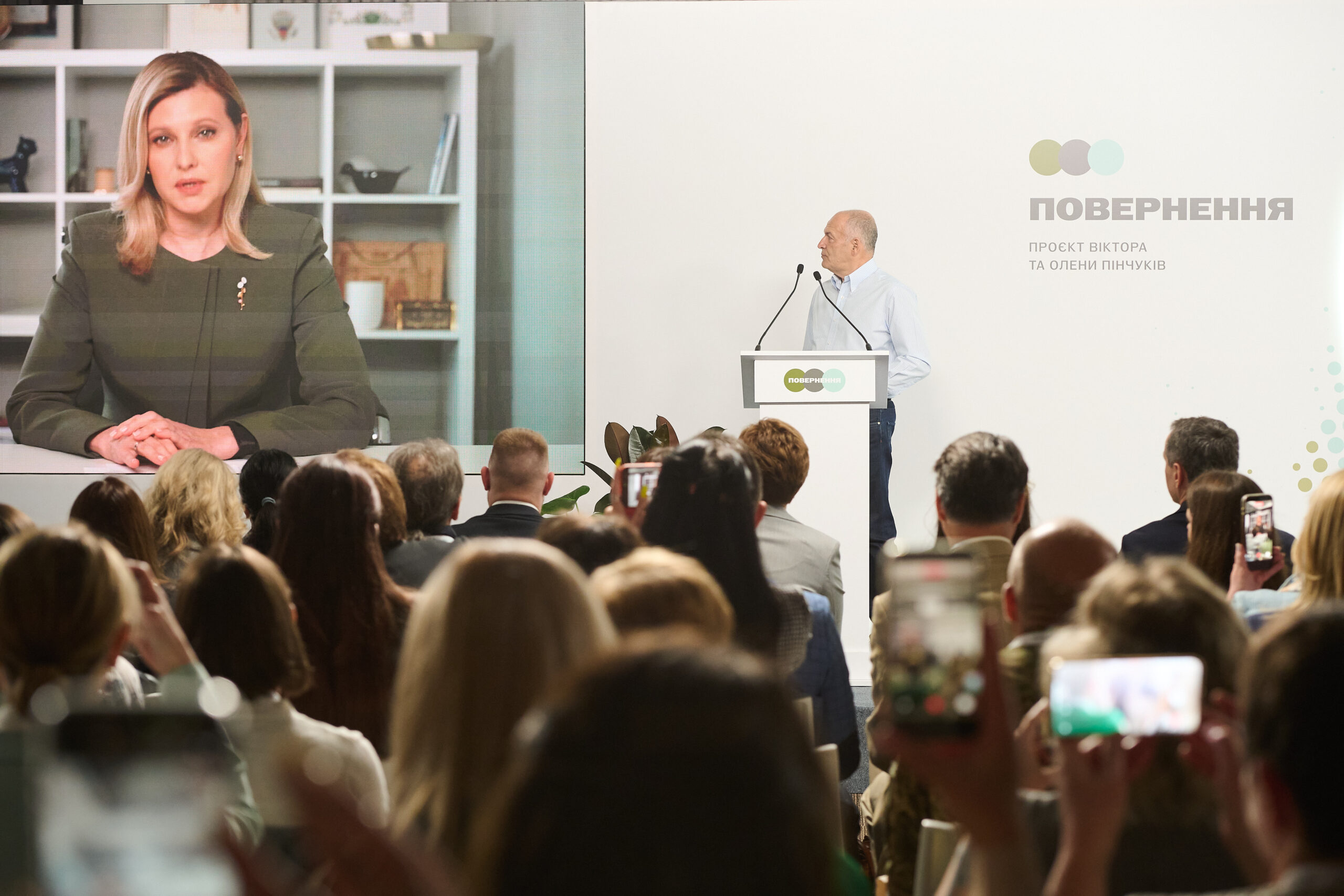
Participants were also addressed by Viktor Liashko, Minister of Health of Ukraine; Iryna Vereshchuk, Deputy Head of the Office of the President of Ukraine; Nataliia Husak, Head of the National Health Service of Ukraine; Ruslan Prykhodko, Deputy Minister of Veterans Affairs of Ukraine; and Svitlana Grytsenko, Head of the RETURNING project. The speakers discussed mental health as a pillar of societal resilience and an essential condition for the country’s recovery during the war.
Iryna Vereshchuk emphasized the role of mental health professionals in maintaining society’s resilience:
“It is mental health professionals who help service members, veterans, their families and Ukrainian civilians restore their inner strength and regain faith in themselves, their future and life itself. This is more than support—it is a matter of the nation’s spiritual resilience. In war, victory belongs to the nation that is capable of remaining mentally resilient.”
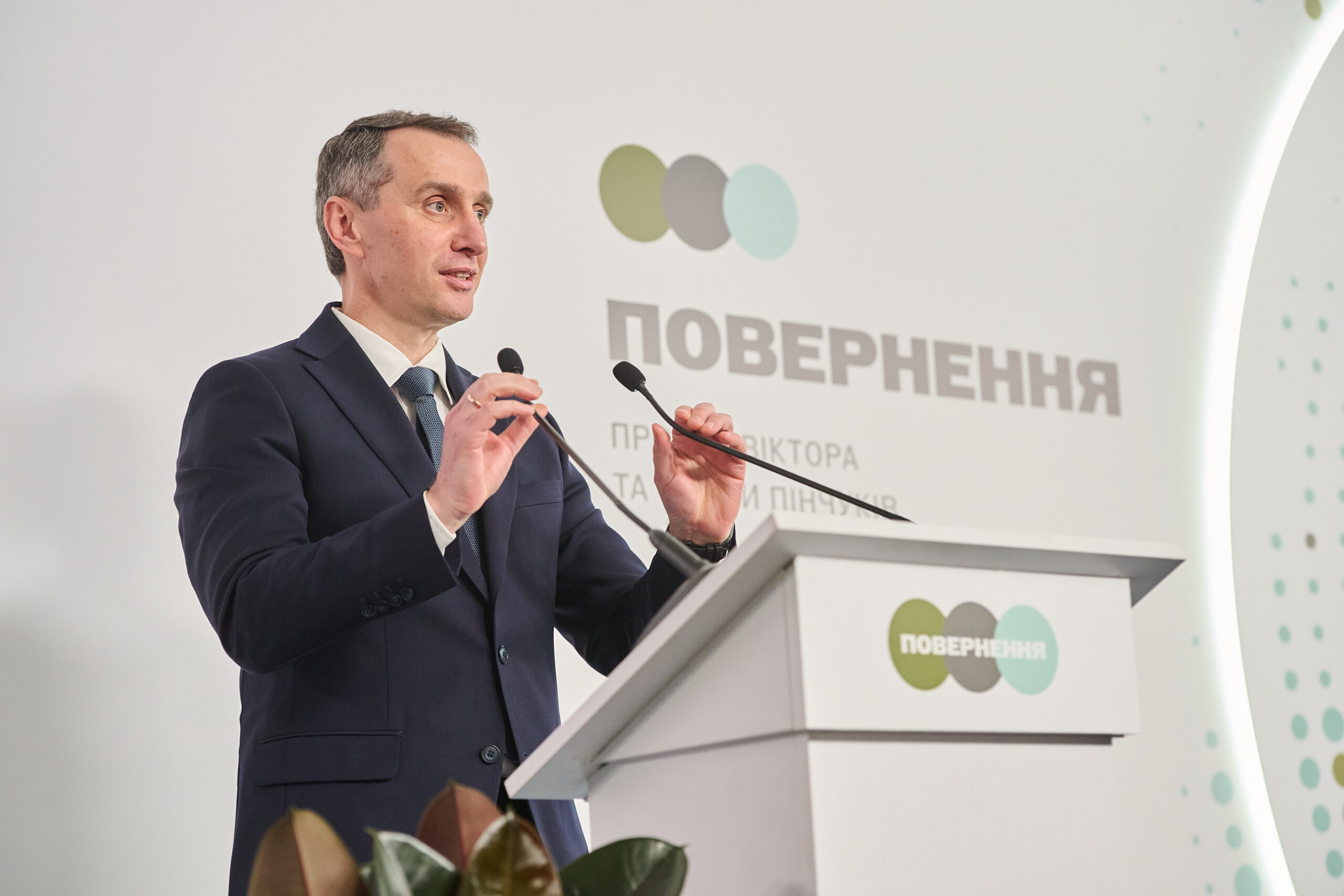
Viktor Liashko, Minister of Health of Ukraine, thanked the professionals who work with service members, veterans and their families every day:
"Don't forget to support each other, thank each other. Because you are a support. So that those who protect us today on the front lines, when they return, can receive a shoulder of support. I would like to thank everyone who created mental health centers, who came to work in them, who understood the need to help the state build standards that are equaled today," said Minister of Health Viktor Lyashko.
Ruslan Prykhodko, Deputy Minister of Veteran Affairs of Ukraine, emphasized the importance of a holistic ecosystem of care for veterans, servicemen and their families:
"Today, we are not just talking about individual initiatives or projects - we are talking about the formation of an integral ecosystem of care for veterans, servicemen and their families in Ukraine. And in this context, it is extremely important that initiatives such as the RETURNING project already demonstrate what a modern, affordable and effective mental health support system for our defenders can look like.
Inna Solodka, Deputy Minister of Social Policy, Family and Unity of Ukraine, emphasized the importance of partnership between mental health centers and Centers for Vitality:
"No mental health system works effectively if a person is left alone with his problems after a difficult experience. That is why we are implementing a flagship project developed jointly with the Coordination Center for Mental Health, which is a component of the All-Ukrainian mental health program "How are you?" and envisages the creation of Sustainability Centers as spaces of daily support in communities. Today, there are already 286 centers across the country where people can receive psychological first aid, social support, and support from specialists and the community. It is very important that mental health centers and Centers for Resilience work as partners.”
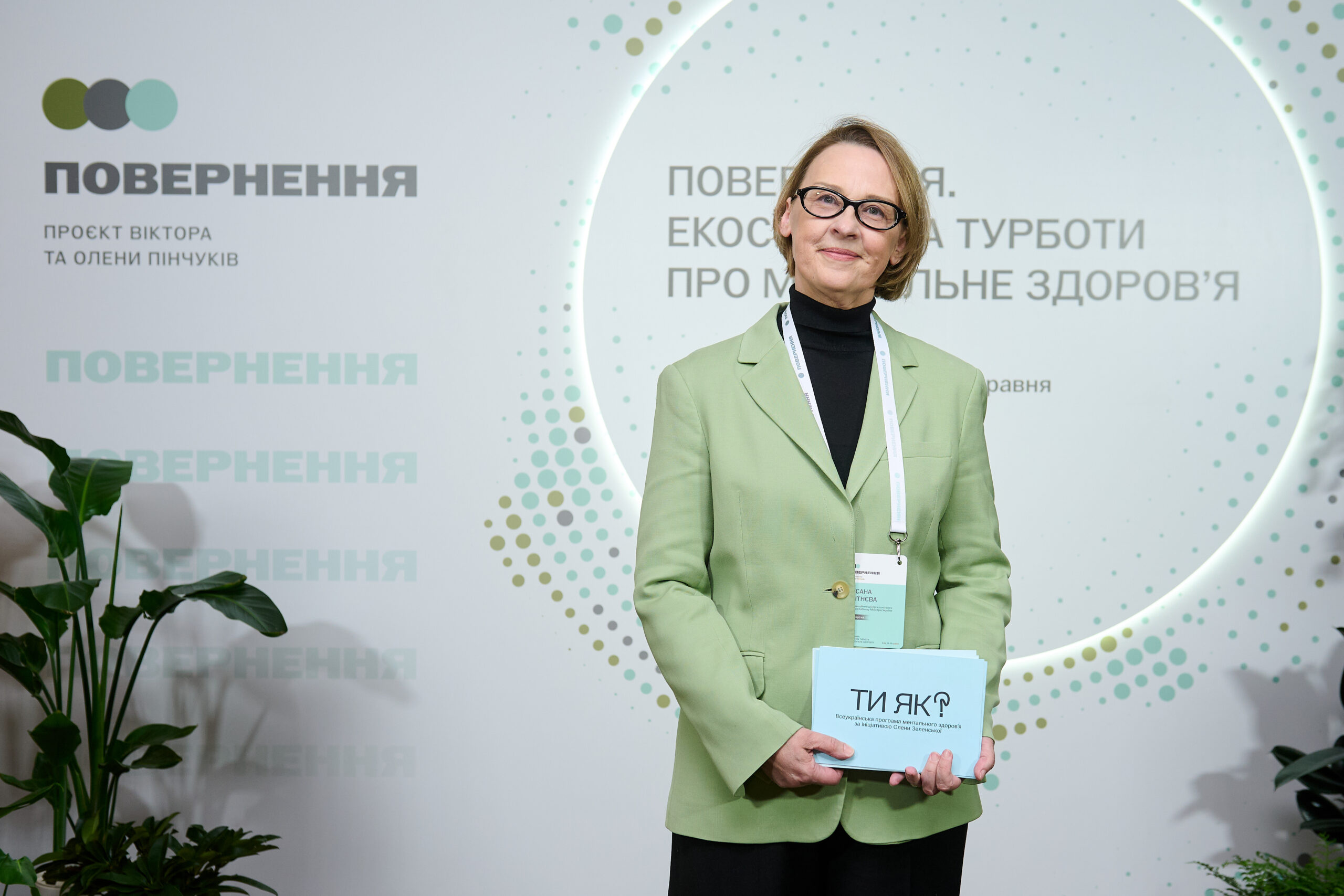
Oksana Zbitneva, head of the All-Ukrainian mental health program "How are you?", spoke about mental health as a matter of daily resilience of Ukrainians and restoration of the country's human capital:
"The war highlighted the importance of mental health in Ukraine at a very high level. We live life, give birth to children - in conditions that are difficult to call human. We learn to live with these experiences. And mental health for Ukrainians is about finding one's own points of support. Chronic exhaustion and stress are manifested in everyday life by a decrease in concentration and attention. It affects how we work, how we perform complex and simple tasks, how we behave while driving and how we deal with other daily tasks. The total "awakeness" that the enemy arranges for us is indicated on both the physical and mental levels. Therefore, we as a whole country will learn to cope with what is happening to us. And this is about mental health today and for many years to come. It's about restoring the most valuable thing in our country - human capital."
Separately, during the conference, the role of state policy and partnership of various sectors in the development of a sustainable mental health support system was emphasized. Inna Yashchuk, State Secretary of the Ministry of Internal Affairs of Ukraine, emphasized that in times of war, taking care of mental health is part of protecting the state:
"Mental health is about society's ability to live, trust, unite and win. This is extremely important during a full scale invasion. At the center of public policy, now more than ever, man and his dignity must be the central story. It is not about responding to a crisis, but about creating an environment where people feel protected and safe. Today, protecting our state also means protecting the inner strength of people," said Inna Yashchuk, State Secretary of the Ministry of Internal Affairs of Ukraine.
The name of the conference reflects the approach that RETURNING is developing within the All-Ukrainian network of mental health centers. Svitlana Hrytsenko, head of the RETURNING project, emphasized the importance of systematic and consistent support:
"The name of the conference "Ecosystem of mental health care" reflects the approach we are developing within the RETURNING project. After all, mental recovery does not begin and does not end with a single request for help. It needs a system: accessible centers, trained specialists, modern knowledge, support of loved ones and a society that learns to talk about mental health without stigma and condemnation. Care should not be random, but consistent - the kind that a person can rely on in the most difficult moments."
The clinical component of the conference covered the key mental health consequences of war for Ukraine’s defenders and their families. Specialists discussed psychological trauma and the brain, post-stress neurocognitive impairment, the neuroanatomy of psychological trauma, post-traumatic stress disorder, traumatic brain injuries, combat stress and complex trauma resulting from captivity.
Dedicated sessions explored practical approaches to care, including early intervention, psychological first aid, treatment for substance use disorders, a multidisciplinary approach to PTSD, physical manifestations of trauma, cardiovascular risks, sexual rehabilitation, and support for the families of service members, fallen defenders and those missing in action.
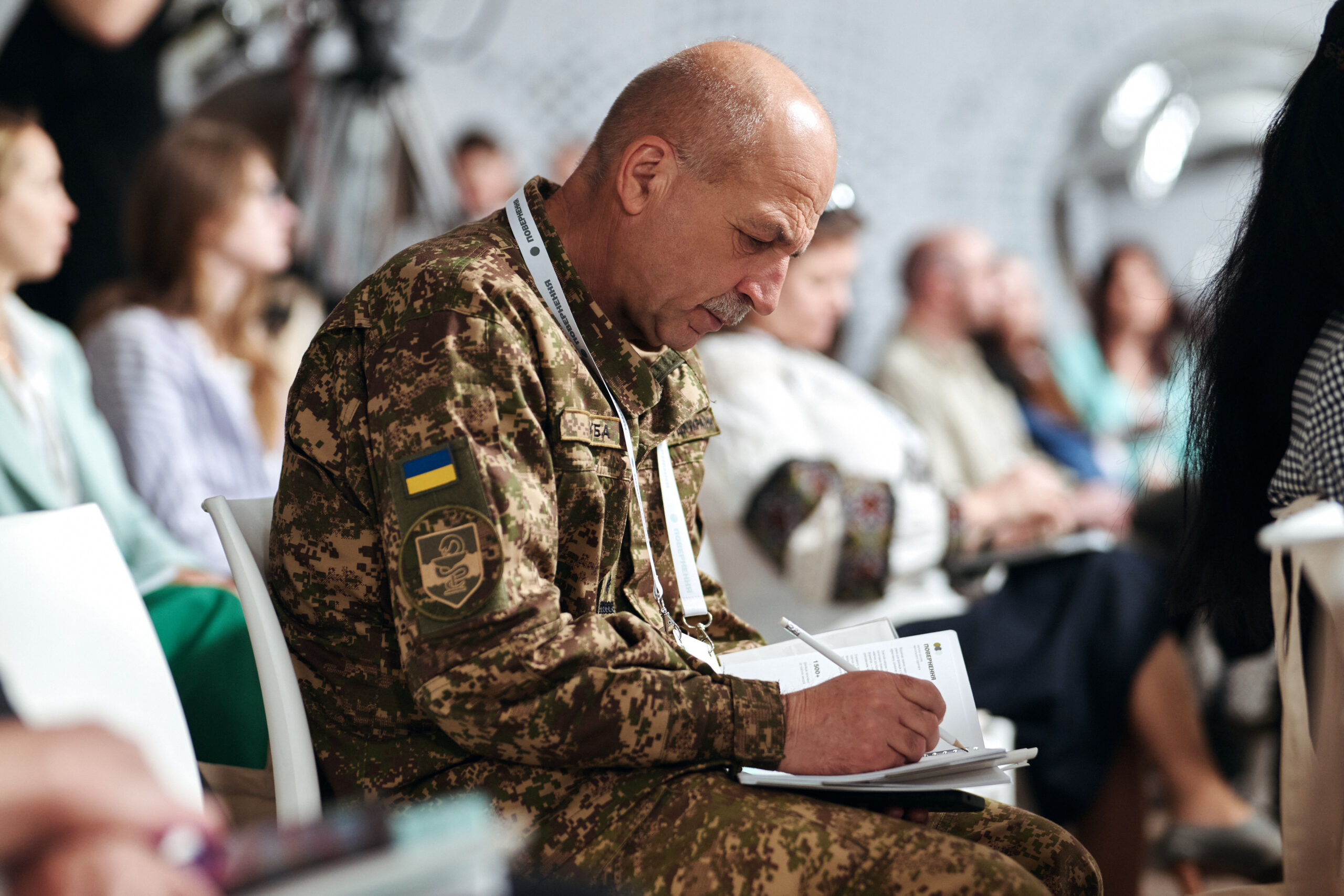
Veterans who participated in the conference also spoke about the importance of accessing support without stigma:
“Mental health matters to all Ukrainians because all of us, unfortunately, have been traumatized by the full-scale war. Ukraine now has an extensive mental health infrastructure. The most important thing is for veterans to know that these opportunities exist and to use them. There are many rehabilitation centers and nonprofit organizations that provide psychological support anonymously and without stigma, and that is extremely important,” veteran Dmytro Kozatskyi said.
Nataliia Husak, Head of the National Health Service of Ukraine, emphasized the need to unite the efforts of the state, the professional community, international partners and civil society:
“In 2026, under the Psychiatric Care component of the Program of Medical Guarantees, 382 contracts were concluded with healthcare providers for a total of UAH 5.849 billion. Of this amount, UAH 5.1495 billion was allocated to inpatient psychiatric care for adults and children; UAH 551.1 million to the development of mental health centers and mobile multidisciplinary teams; and UAH 148.4 million to addiction treatment using substitution maintenance therapy.”
The Ukrainian Association of Football presented a case study of its League of the Mighty project, demonstrating how amputee football can support veterans’ mental well-being, adaptation and return to an active life.
Singer Tina Karol was a special guest at the conference. Drawing on her own experience, she highlighted the importance of nurturing resilience and inner stability, as well as supporting those who help others navigate the recovery process every day:
“Strong people are not those who never fall. They are those who have learned to get back up.”
Mykyta Arkhypov, Head of the RETURNING center in Odesa, spoke about the importance of developing an ecosystem of mental health care not only by opening centers but also through professional training, shared standards, knowledge exchange and sustainable care pathways:
“Events like this are about more than acquiring new knowledge. They are about sharing experience, developing common approaches and building a professional community that works according to shared standards. This is how an ecosystem of care grows: through centers in different regions, trained professionals, sustainable care pathways and the ability for people to receive high-quality support regardless of the city in which they live. This is the essence of RETURNING—not to create isolated points of care but to build a network that operates systematically and consistently.”
RETURNING is a nationwide network of mental health centers founded by Victor and Olena Pinchuk to support Ukraine’s defenders, veterans and their families who have experienced the psychological consequences of the war caused by Russian aggression.
As of today, 15 centers in the network operate in Vinnytsia, Dnipro, Zhytomyr, Ivano-Frankivsk, Kyiv, Kropyvnytskyi, Lutsk, Odesa, Poltava, Rivne, Ternopil, Uzhhorod, Khmelnytskyi, Cherkasy and Chernihiv. More than 20,000 service members, veterans and their families are already receiving professional support free of charge at these centers.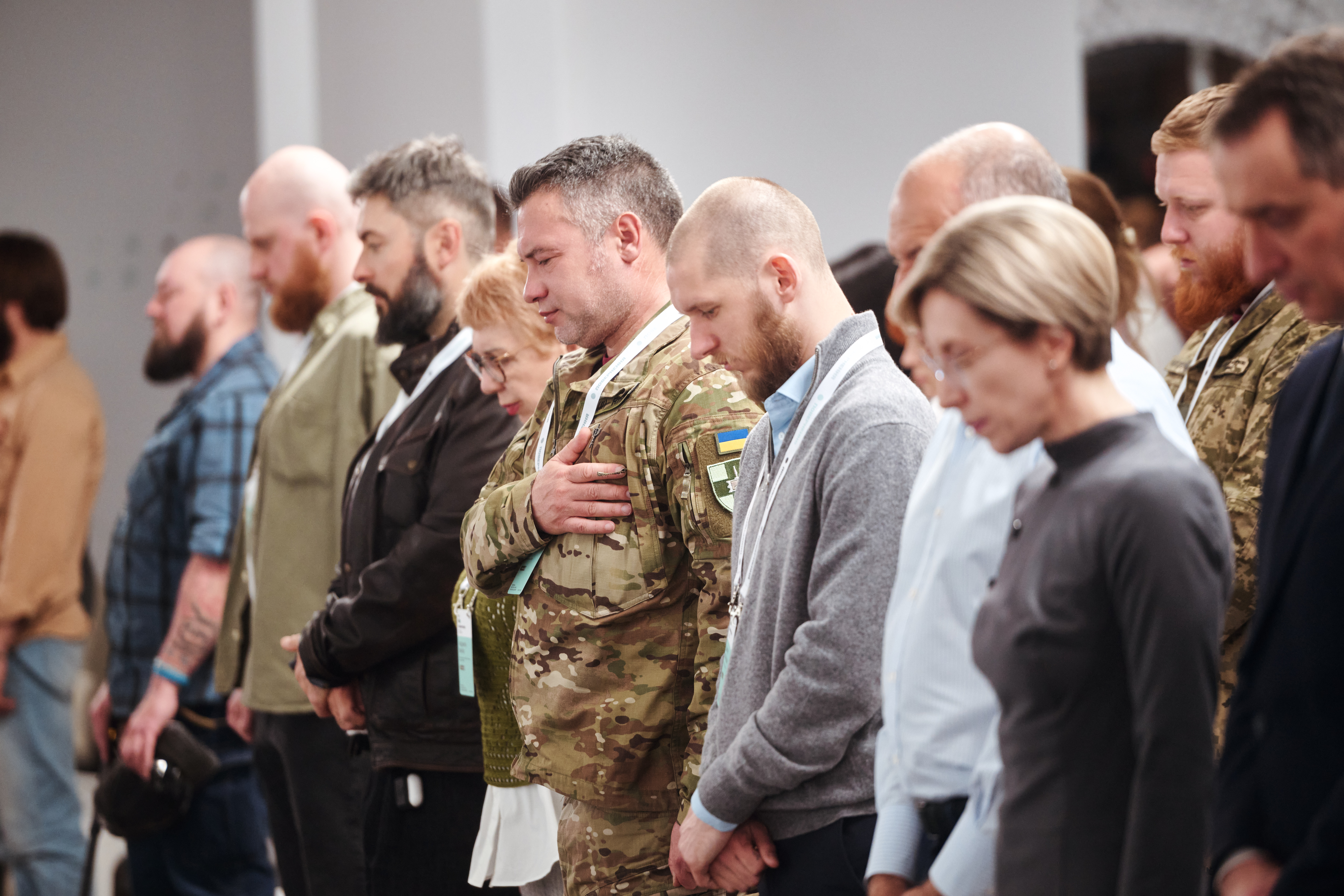
Other news:
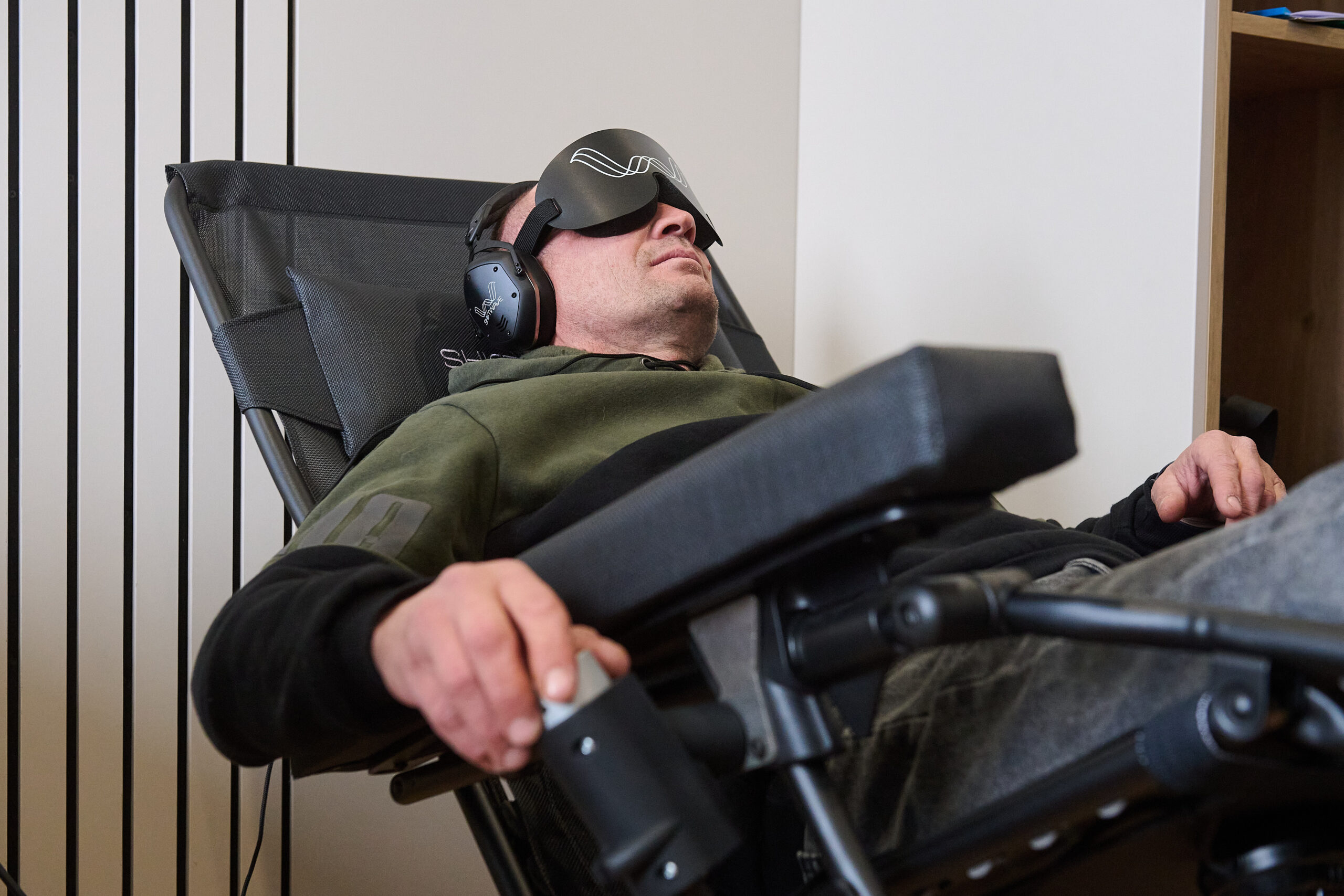
The 18th Mental Health Center of the RETURNING Network, Founded by Victor and Olena Pinchuk, Has Opened in Kremenchuk
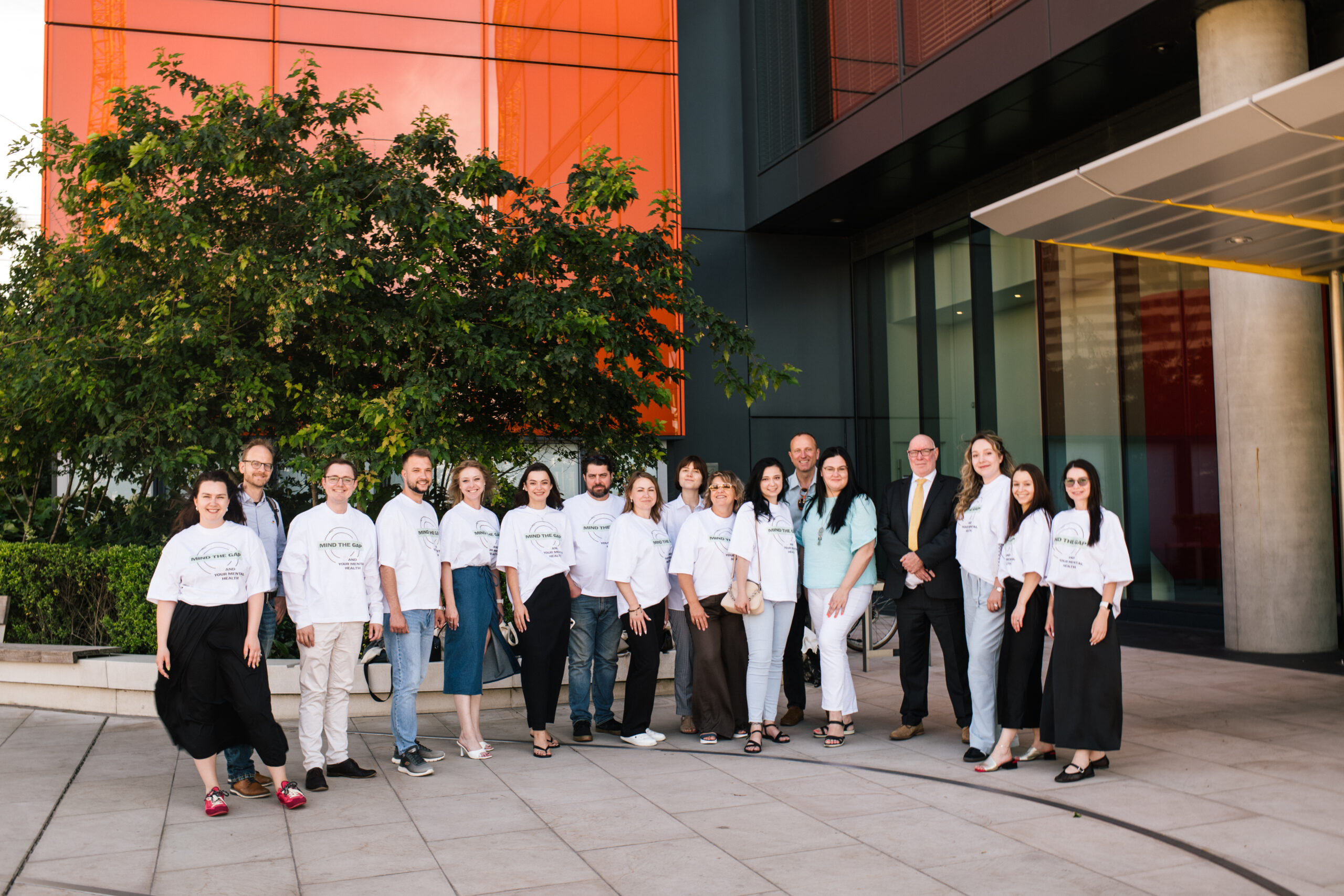
Ukrainian Mental Health Professionals Take Part in Study Visit to the United Kingdom as Part of RETURNING
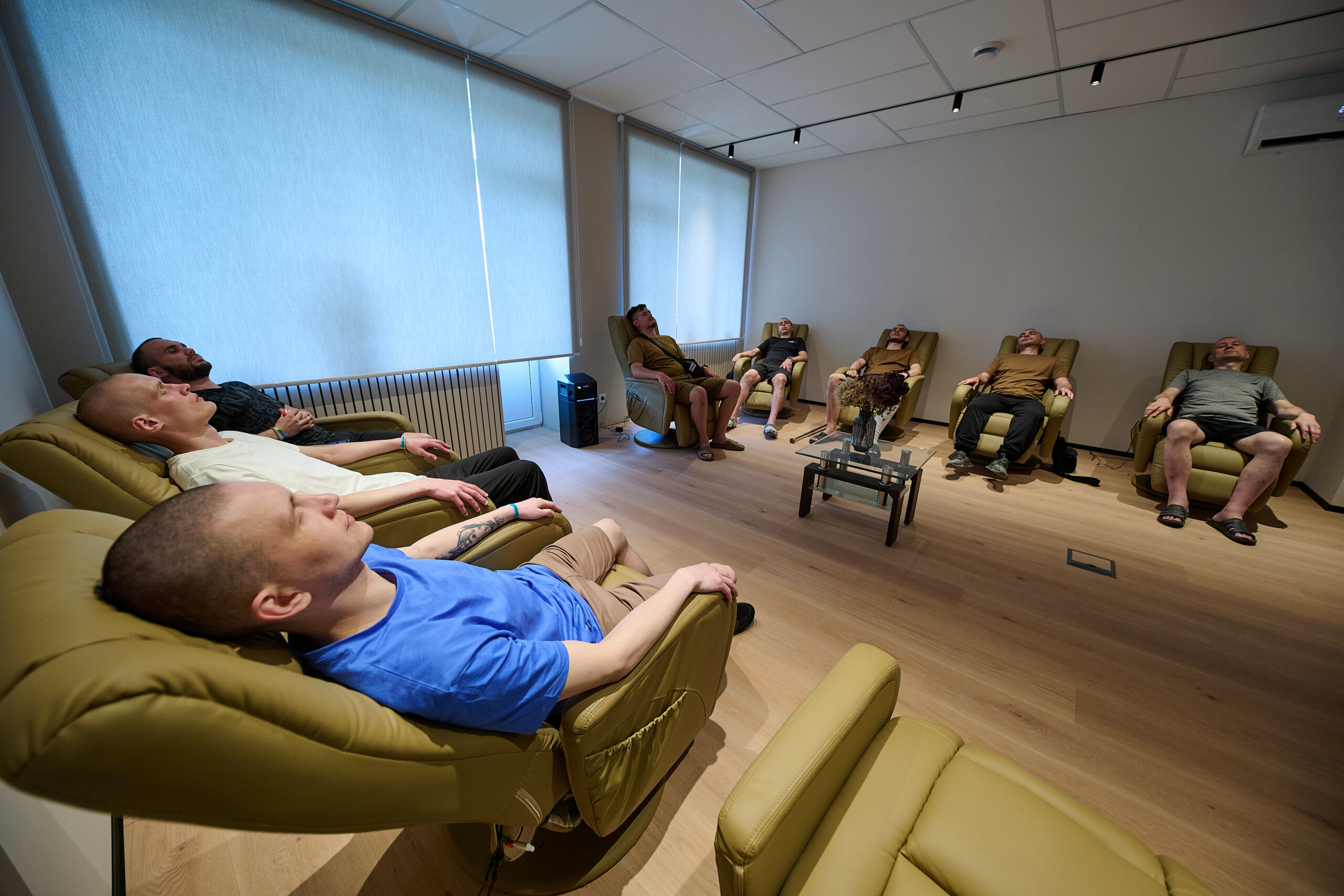
The 17th Mental Health Center in the RETURNING Network Begins Operations at a National Guard of Ukraine Medical Facility
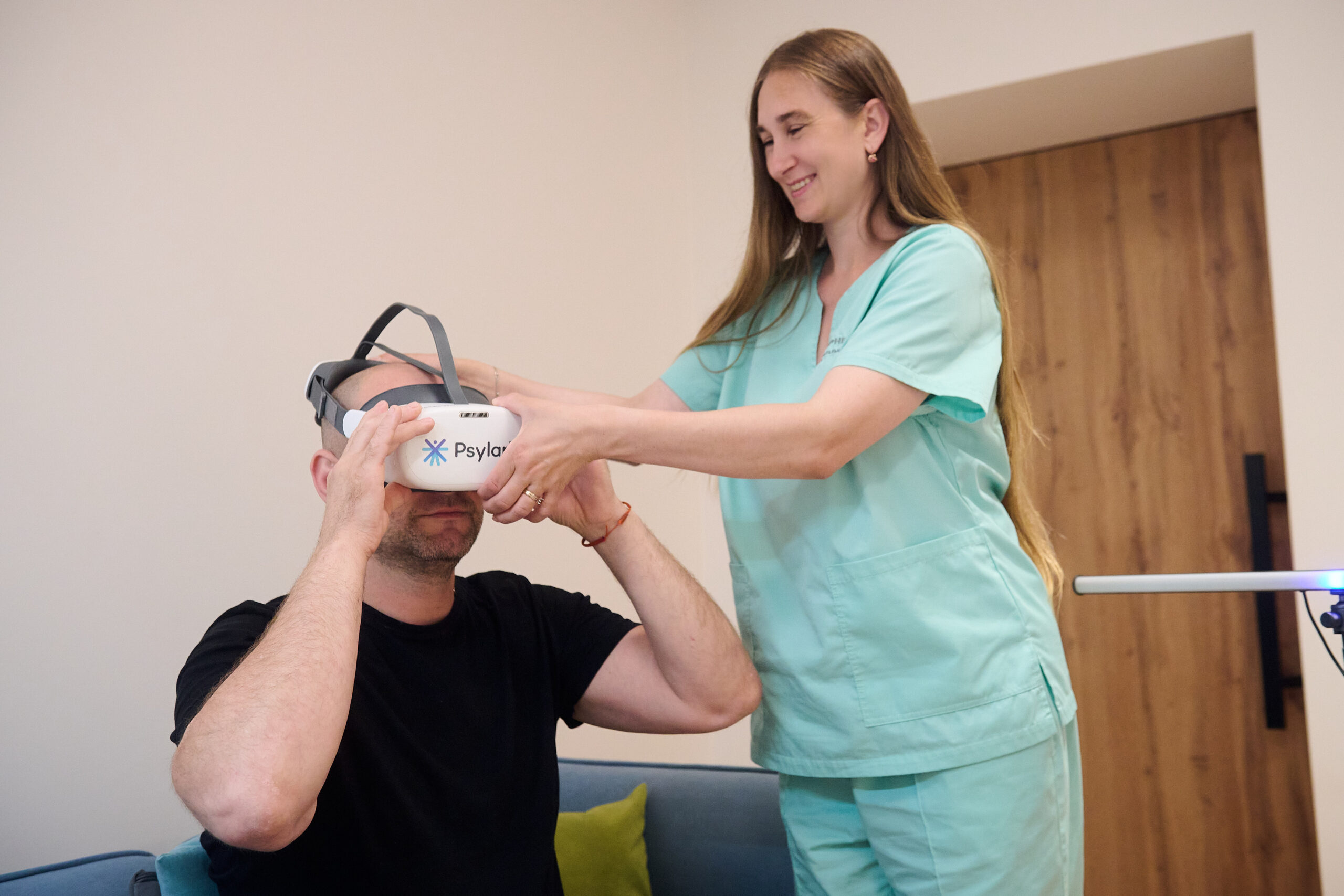
The 16th Mental Health Center in the RETURNING Network Opens in the Kyiv Region