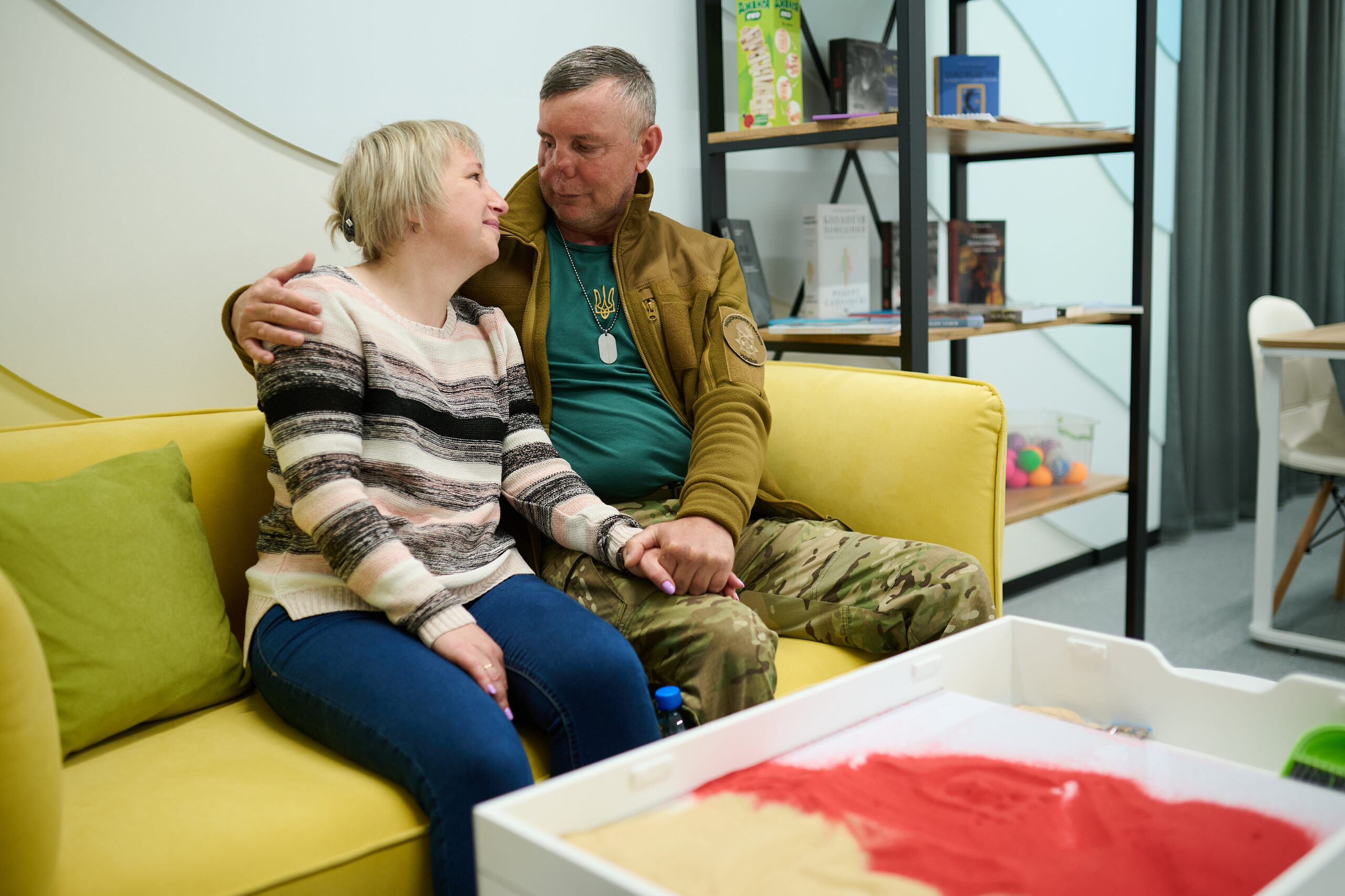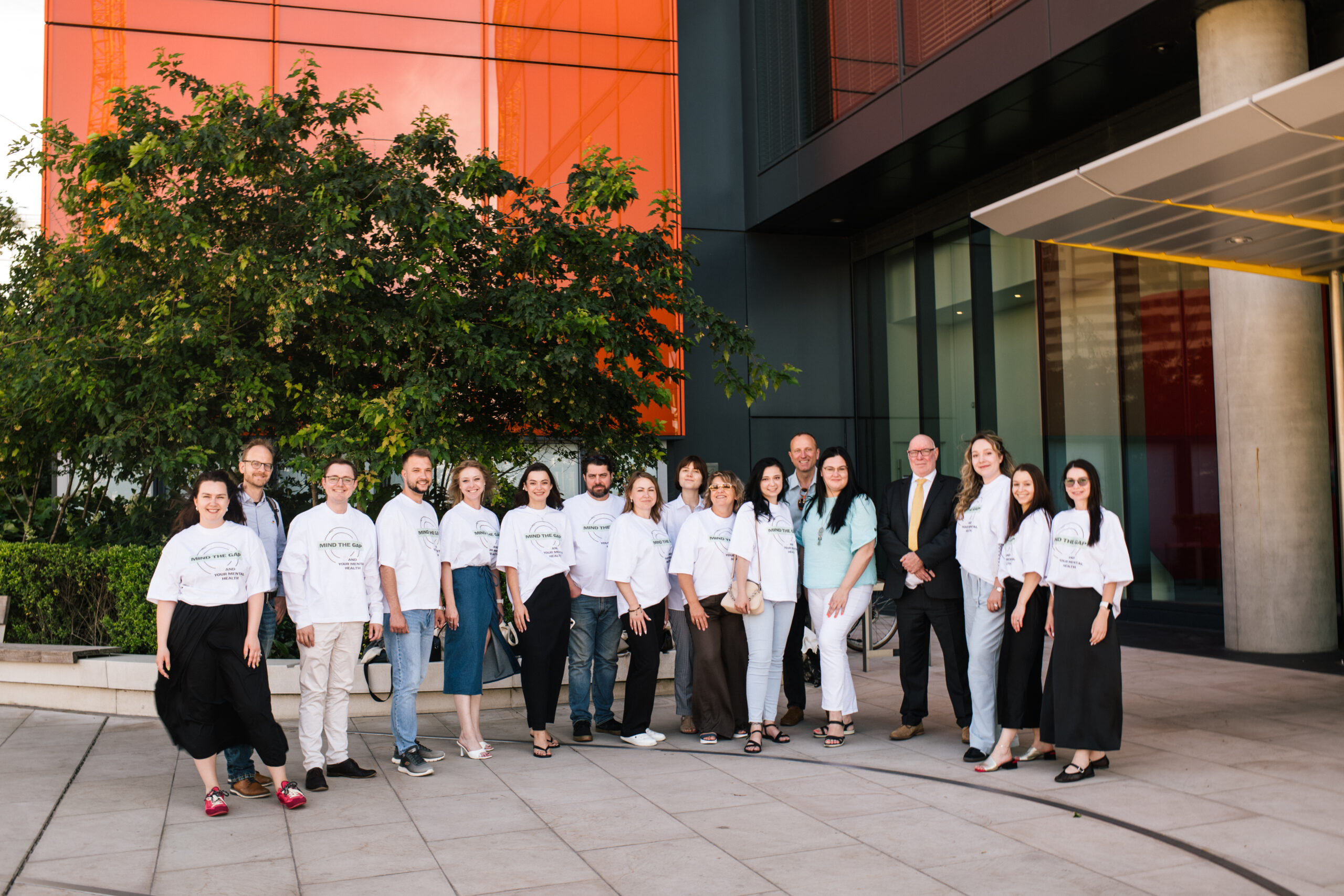
Heads of mental health centers within the nationwide RETURNING (Ukr. «ПОВЕРНЕННЯ») network, founded by Victor and Olena Pinchuk, took part in a week-long study visit to the United Kingdom. Representatives of 11 centers in the network learned about the work of leading British medical, academic and professional institutions in the mental health field, with the aim of drawing on international best practices and adapting them to the needs of Ukrainian service members, veterans and their families.

The study visit was part of RETURNING’s education program. Alongside developing the network of mental health centers, the project focuses on training professionals and introducing modern, evidence-based approaches to psychological and psychiatric care in Ukraine.
The United Kingdom was selected because of its highly developed mental health care model, which combines decentralized care, clearly defined patient pathways, community-based services and comprehensive outpatient support. The system also has a dedicated focus on service members and veterans, building on decades of experience in addressing the consequences of combat and coordinating medical, social and government services.
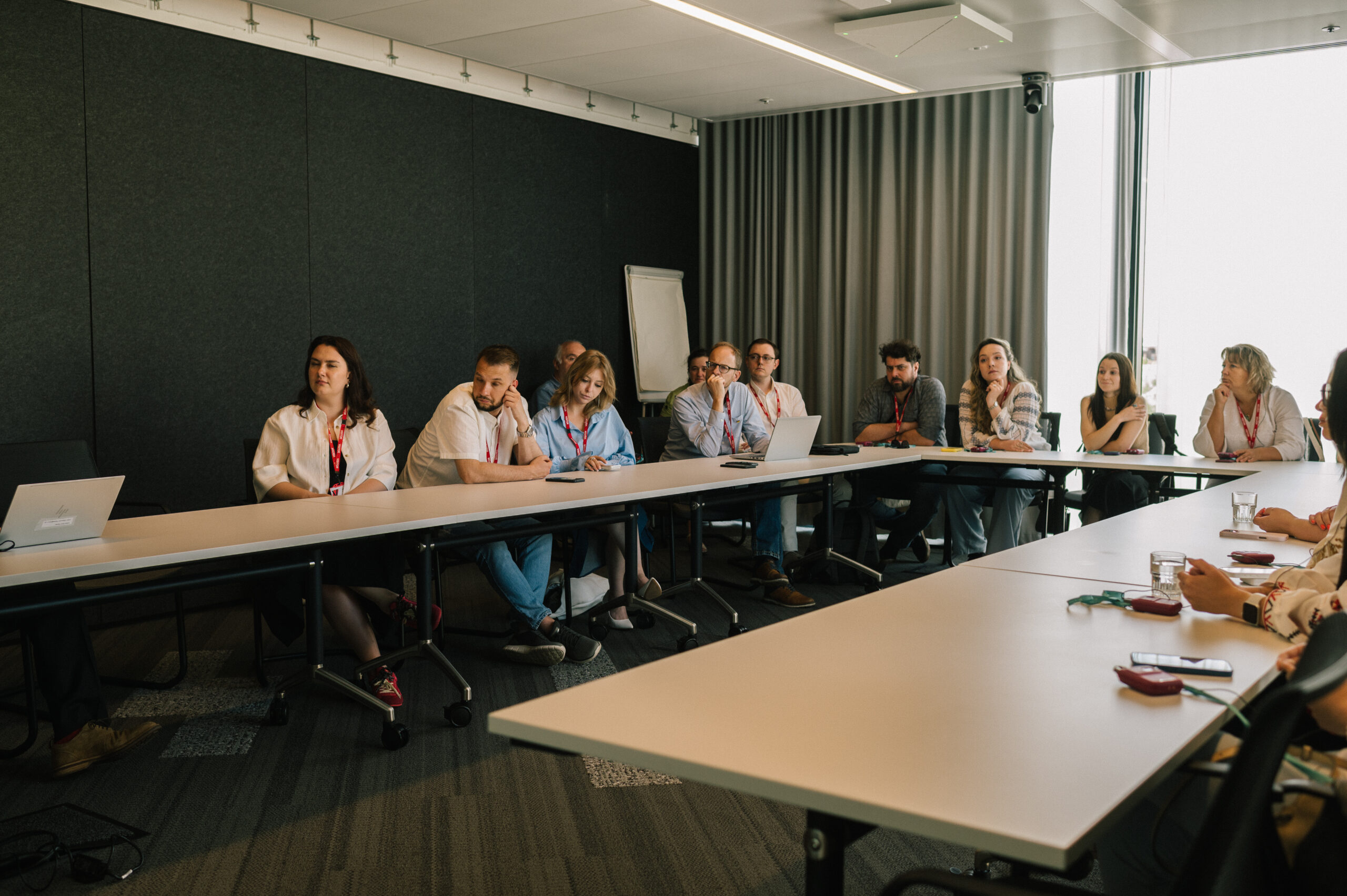
Throughout the week, the Ukrainian delegation met with representatives of leading British medical, academic, professional and government institutions. At the Royal College of Psychiatrists, participants explored professional standards and principles for developing psychiatric care. At King’s College London, they examined the long-term mental health consequences of war and current research-based approaches to supporting service members and veterans. During their visit to Maudsley Hospital, they studied the organization of clinical care, patient pathways and the work of multidisciplinary teams.
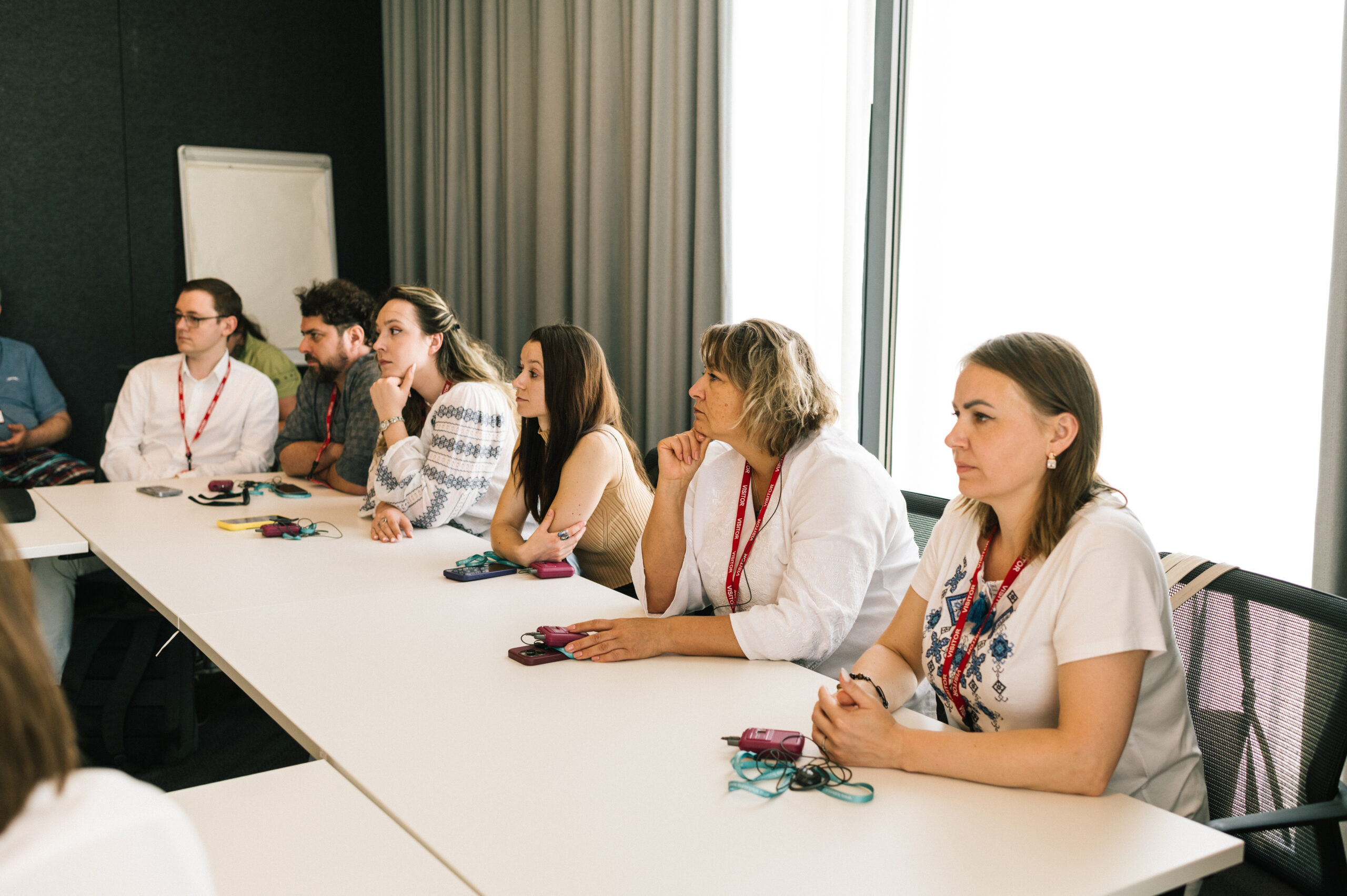
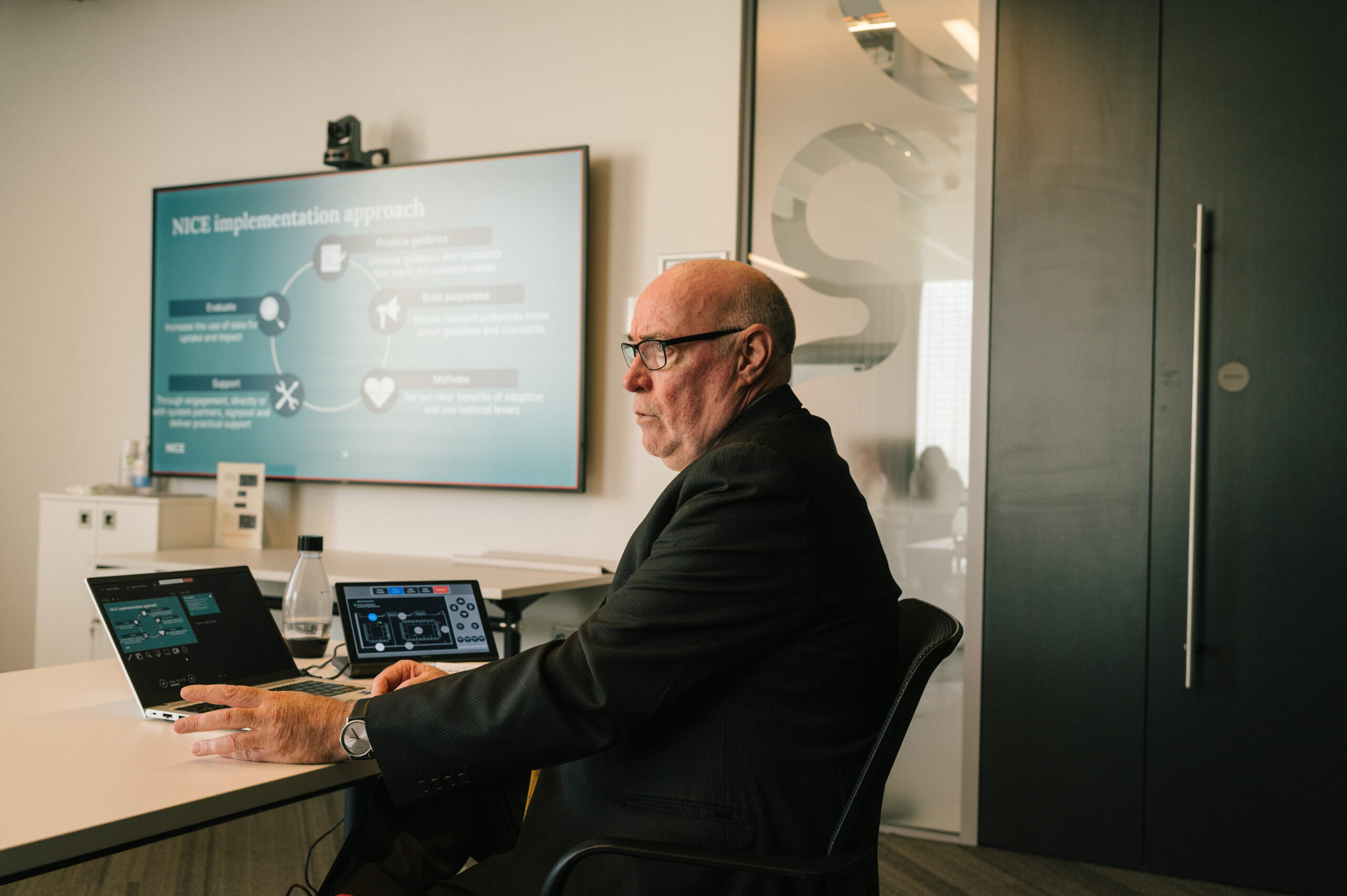
Together with representatives of the charity Combat Stress, the participants discussed models of psychiatric and psychological support for veterans and their families. During meetings with representatives of the National Health Service (NHS), the UK Ministry of Defence, the Department of Health and Social Care, and the Foreign, Commonwealth & Development Office (FCDO), the delegation learned about government approaches to developing the mental health system, interagency cooperation, workforce planning and suicide prevention.
In Birmingham, the team also visited Collective Voice and the BAC O’Connor Centre, where they examined current models of addiction treatment, rehabilitation and long-term recovery.
One of the key principles of the British veteran support system is providing comprehensive assistance throughout a person’s transition back to civilian life. This approach was particularly highlighted by Yaroslava Anna Stoika, head of the forthcoming RETURNING center in Vinnytsia:
“One of the most valuable principles of the British system is its understanding that a veteran is not simply a ‘patient with trauma’ who needs treatment, but a person who needs support through a structured transition to civilian life. That is why a multidisciplinary team accompanies them throughout this journey. “We are introducing the same approach at our RETURNING centers, where professionals from different fields work together to support service members, veterans and their families, helping them reintegrate into civilian life as successfully and smoothly as possible,” says Yaroslava Anna Stoika.

The visit was not only an opportunity to learn from the British experience but also a platform for professional exchange. The Ukrainian specialists shared their own expertise, developed amid the full-scale war and through their daily work with service members, veterans and their families.
Professor Sir Simon Wessely of King’s College London emphasized the importance of this two-way exchange:
“You should invite us to Ukraine so that we can learn from your experience and from what really works. Our experience is not directly relevant to the challenges Ukraine is facing today. When the war ends, Ukraine will face the challenges of peace, which, in my view, will be no less traumatic and perhaps even more difficult. That is why we should be coming to you, not the other way around,” said Professor Sir Simon Wessely.
The goal of RETURNING is not only to support psychological recovery but also to systematically strengthen Ukraine’s mental health sector. That is why, in cooperation with Ukrainian and international experts, the project delivers modern training programs for professionals, including hands-on training sessions, workshops and supervision, equipping specialists with effective tools for addressing war-related trauma.
The education program is based on evidence-based methods, including EMDR, cognitive behavioral therapy and trauma-focused therapy. The programs draw on the latest research and validated protocols, while the training includes webinars, hands-on sessions and supervision.
Since RETURNING was launched in 2025, more than 120 training events have been held, involving over 1,500 professionals from both within and outside the RETURNING network. The study visit to the United Kingdom continued this systematic work and marked another step toward introducing modern, accessible and comprehensive mental health care in Ukraine.
Other news:
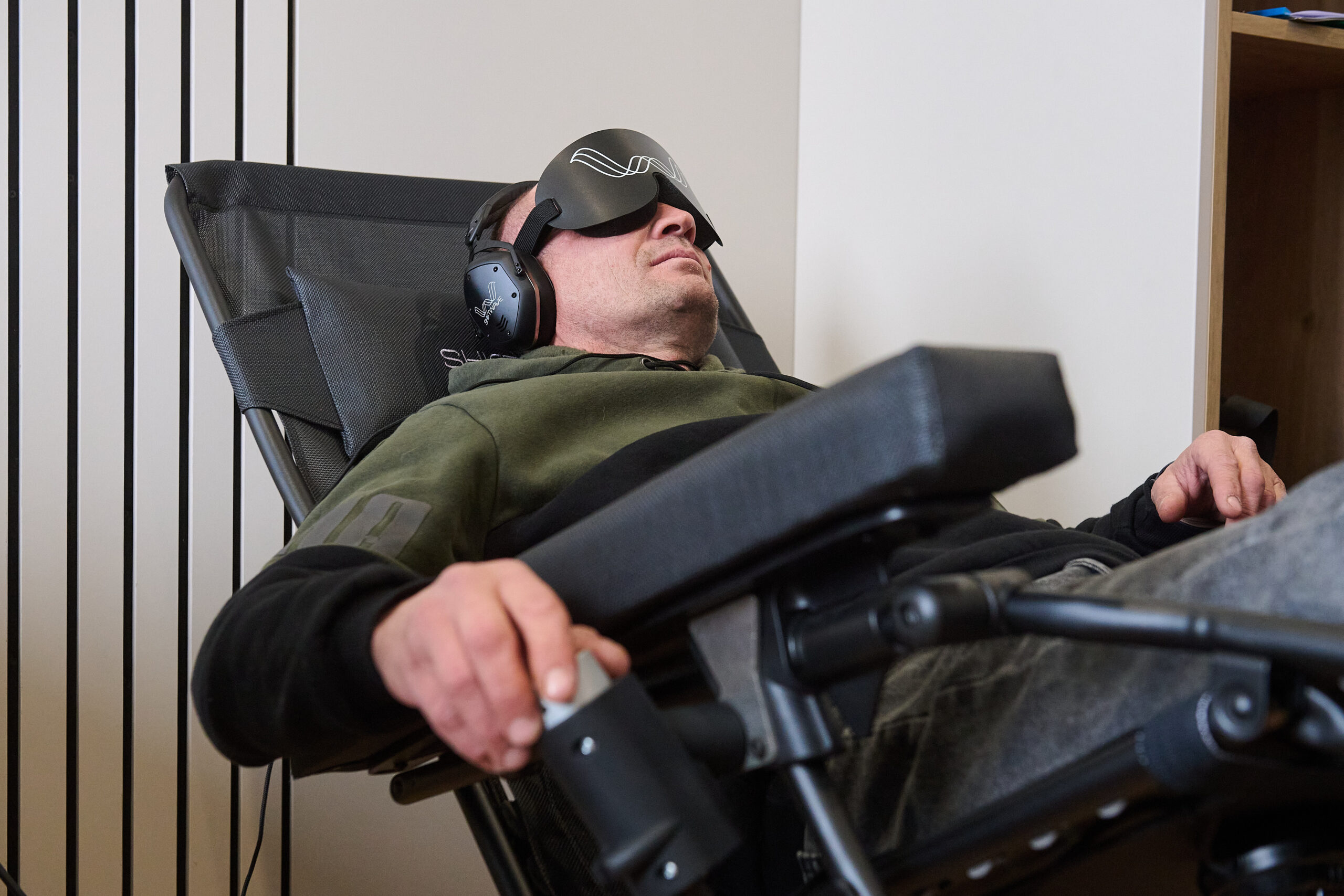
The 18th Mental Health Center of the RETURNING Network, Founded by Victor and Olena Pinchuk, Has Opened in Kremenchuk
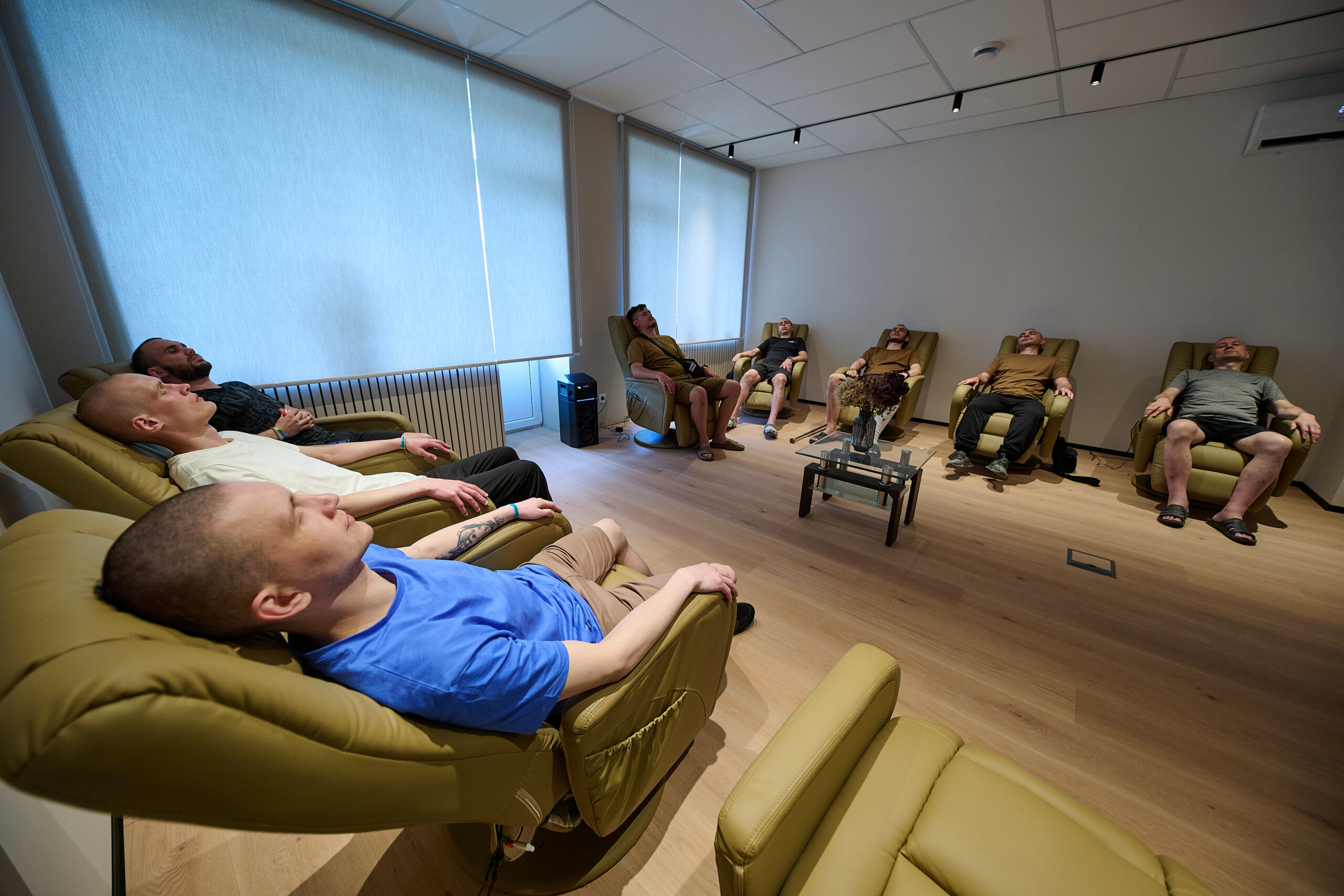
The 17th Mental Health Center in the RETURNING Network Begins Operations at a National Guard of Ukraine Medical Facility
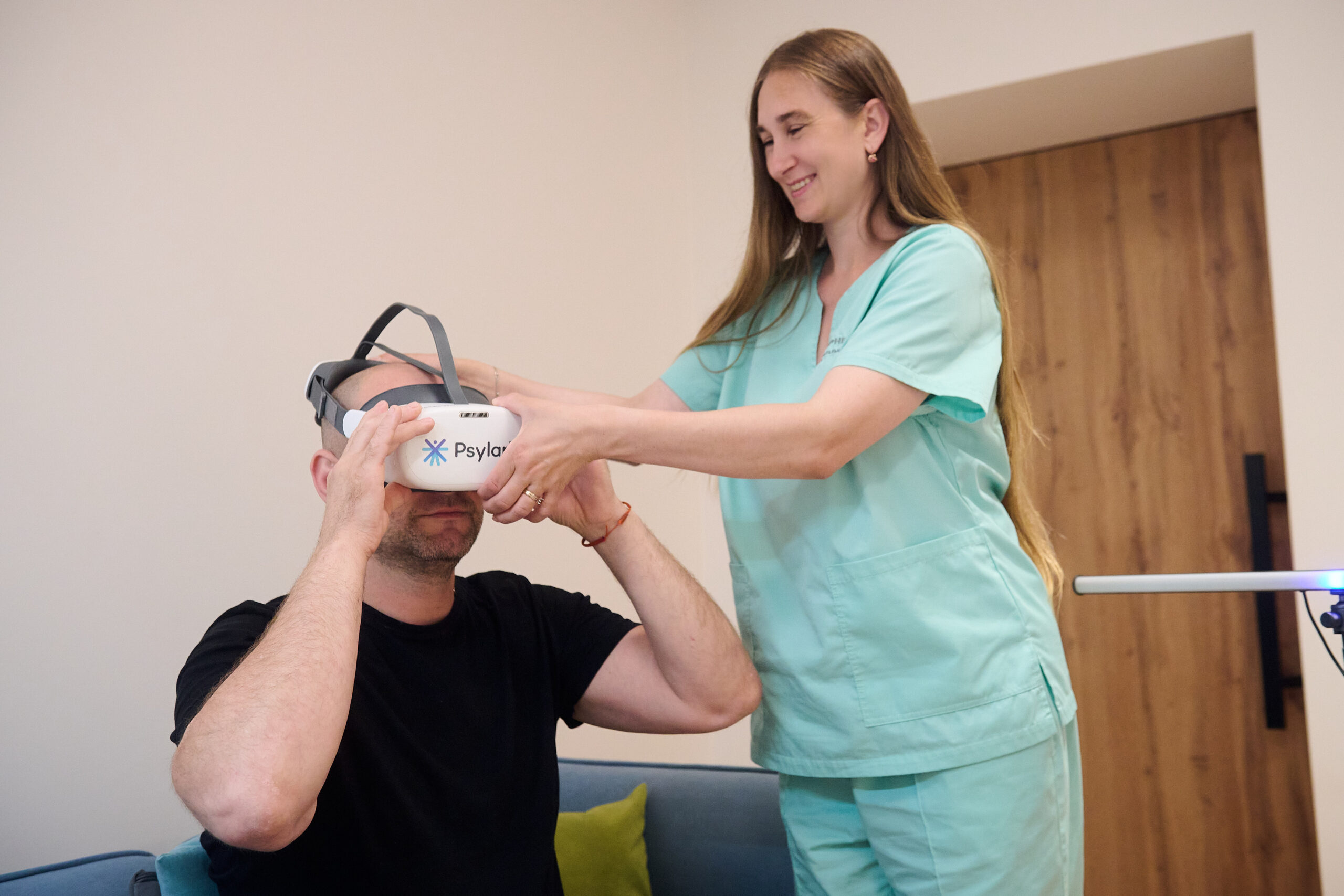
The 16th Mental Health Center in the RETURNING Network Opens in the Kyiv Region
An Ecosystem of Mental Health Care: What Was Discussed at the RETURNING Network Conference?