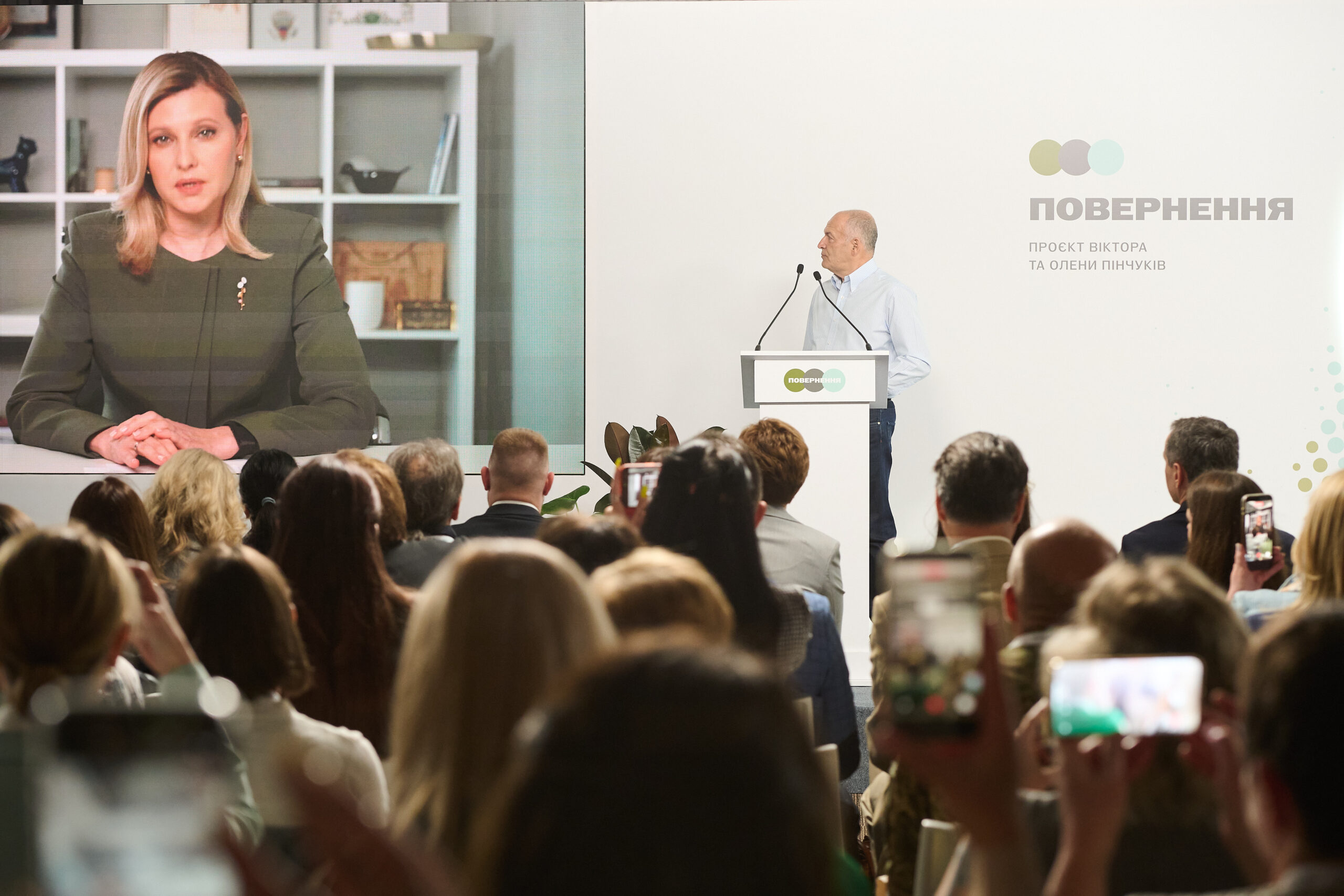
A modern and comfortable mental health center for military personnel, veterans, and their families has opened in Ternopil. This is the second center established as part of the nationwide RETURNING (Ukr. «ПОВЕРНЕННЯ») network, founded by Victor and Olena Pinchuk to support Ukraine’s Security and Defense Forces. More than 4,000 Ukrainian defenders and their family members will be able to receive free comprehensive mental health support here every year.
The RETURNING project demonstrates a successful partnership between the private sector and the state: philanthropists establish mental health centers at public healthcare facilities. At the first stage of the project, 20–25 RETURNING mental health centers are planned to open across Ukraine.
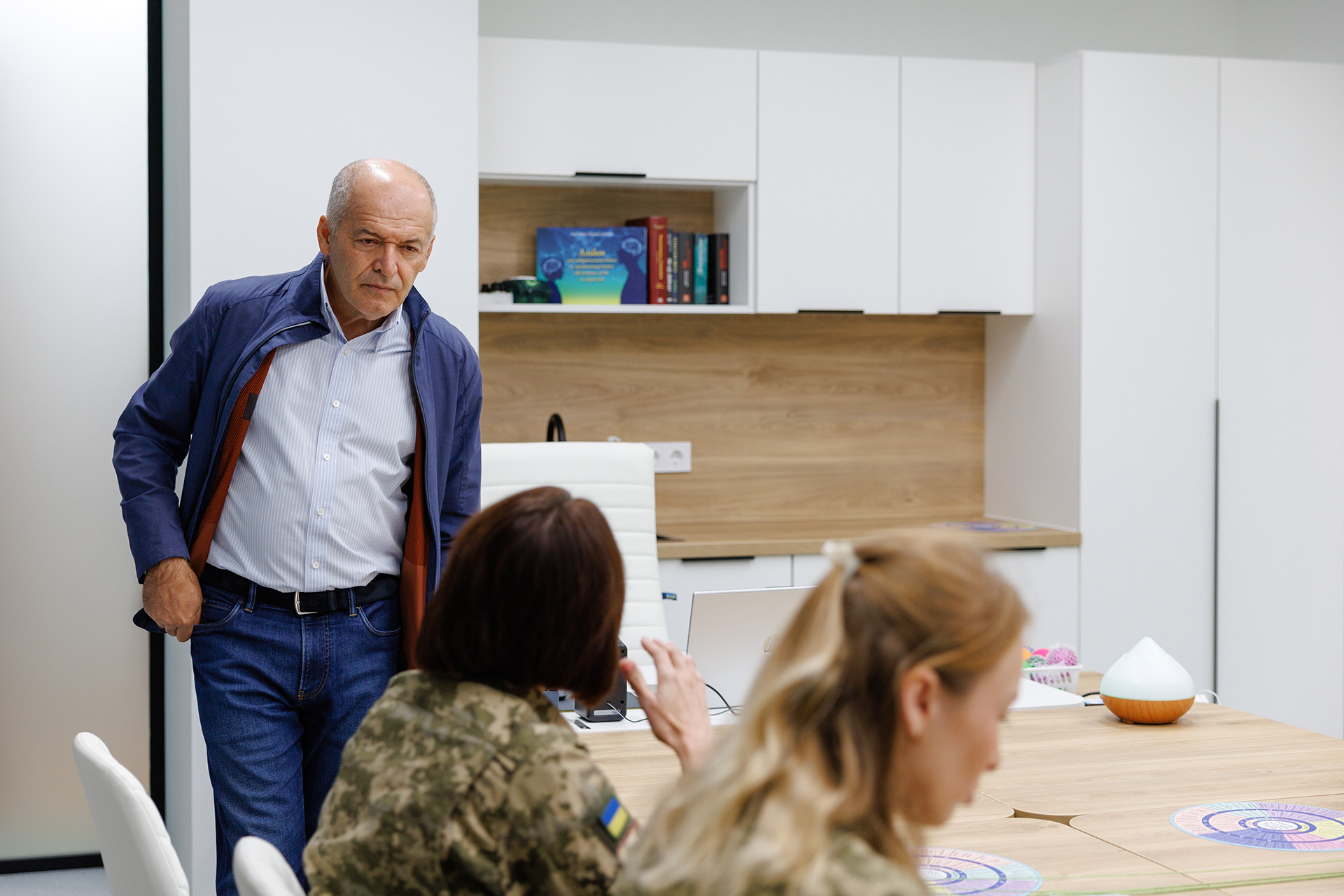
During a meeting with the RETURNING center team, the project’s founder, businessman and philanthropist Victor Pinchuk, said:
“From the very beginning, we understood that psychological recovery was important, but only now are we truly beginning to realize how critical it is. Our soldiers are the first in human history to face a war of this kind, where drones and attacks 24/7 leave a person with no psychological pause. Nothing like this has ever happened anywhere in the world. Modern medicine has not yet fully understood these kinds of pressures, while our people are already experiencing them. That is why paying attention to mental recovery is so important. A strong warrior is not only physically healthy, but also mentally resilient. And our task is to help them recover, recharge their internal batteries, and return stronger. We will continue building this system because the psychological recovery of our soldiers is, when you think about it, a matter of national security for the state.”
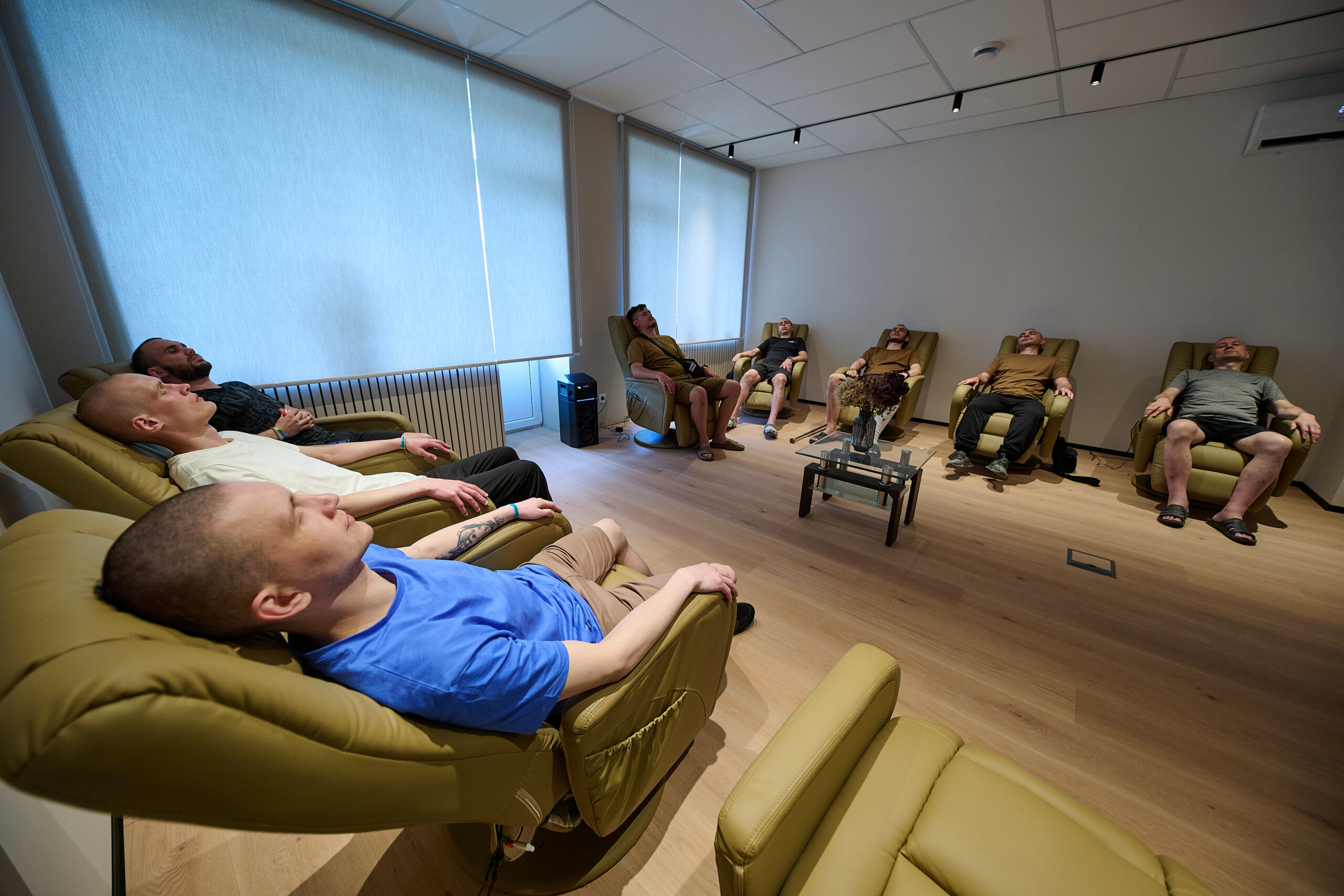
In Ternopil, the RETURNING center has been established at a leading healthcare facility and equipped in accordance with the highest accessibility standards. It is a modern and safe space for mental recovery, where comfort and functionality are combined with innovative solutions. All spaces are designed to create an atmosphere of trust, calm, and support, while innovative equipment enables the delivery of care based on the best international practices.
The space has been designed to ensure that every visitor feels comfortable. It features wide doorways, no thresholds, medical-grade anti-slip linoleum, and accessible restrooms with sufficient space for wheelchair users. Everything necessary for comprehensive support is provided, including a reception area with a waiting zone, four specialist rooms for individual, family, and psychiatric support, a group therapy room, and single-bed day hospital rooms equipped with innovative multifunctional beds. The center also includes a treatment room, a staff room, and accessible restrooms for all visitors, including wheelchair users.
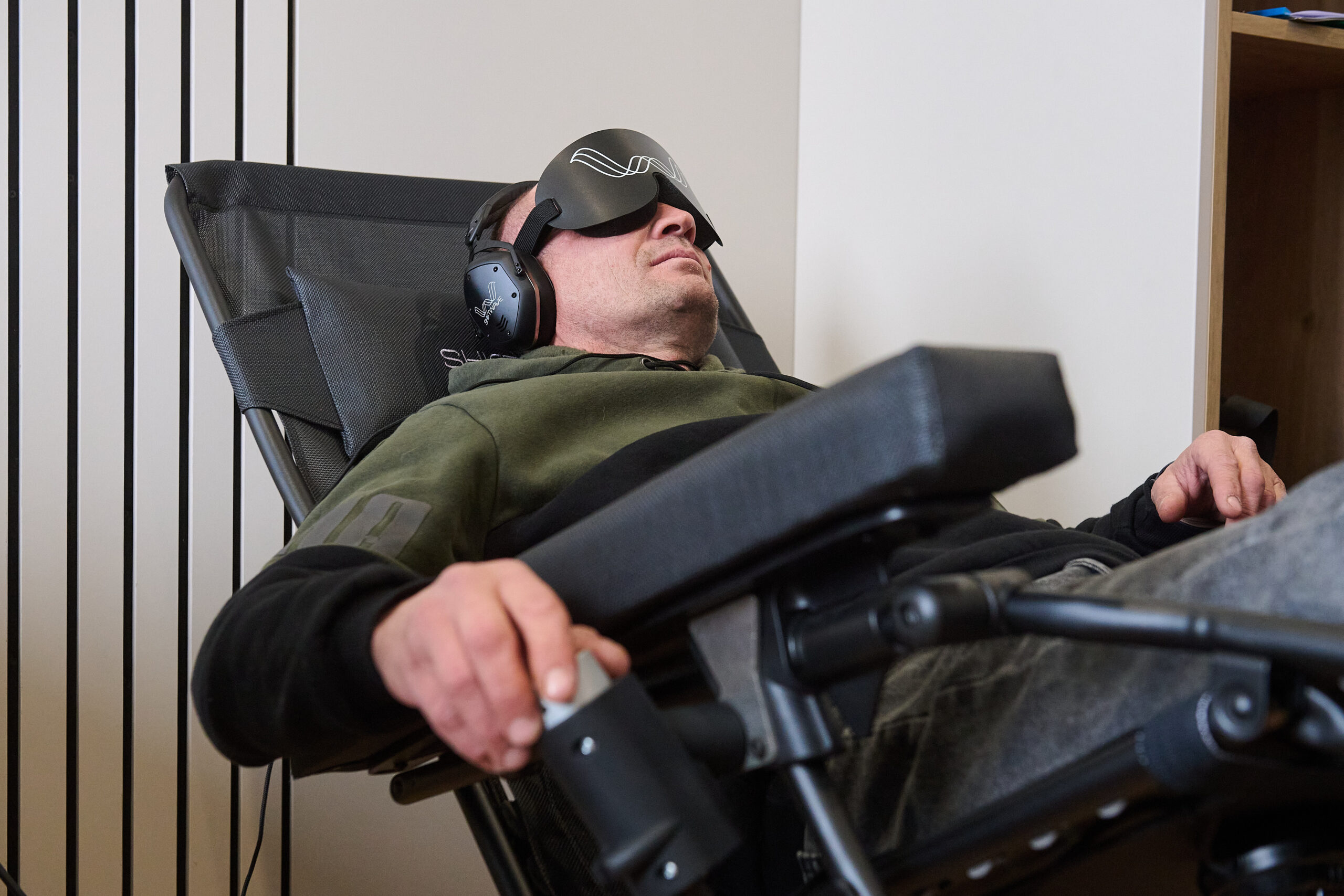
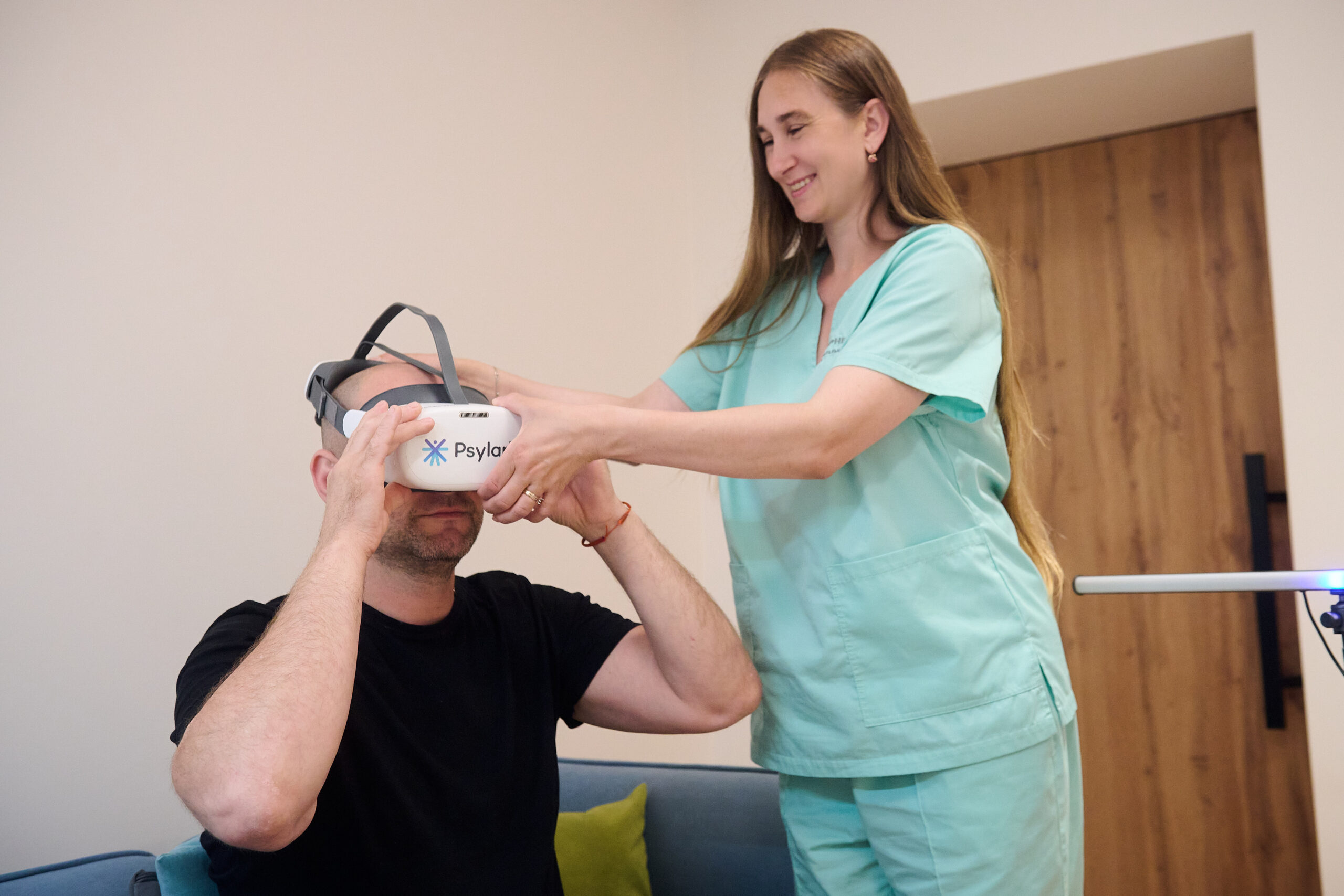
Among the center’s innovative solutions is the Shiftwave System (USA)a psychological relaxation and stress management system based on pulsating waves that helps reduce stress levels and improve well-being. The center is also equipped with an EMDR therapy kit, an evidence-based approach to trauma processing using eye movements, as well as art therapy materials, psychological board games, anti-stress toys, tactile mats, massage balls, and yoga mats.
Particular attention is paid to the professional development of the team. Specialists have access to a library of books and resources on psychology, psychiatry, and psychotherapy, supporting the introduction of up-to-date knowledge and methods into clinical practice. Computer equipment with licensed software is also provided for specialists and visitors, including equipment in the group therapy room and reception area, as well as four laptops for specialists.
The Ternopil center’s multidisciplinary team includes psychiatrists, psychologists, psychotherapists, and nurses. Social workers and case managers are involved when necessary, ensuring comprehensive support for patients.
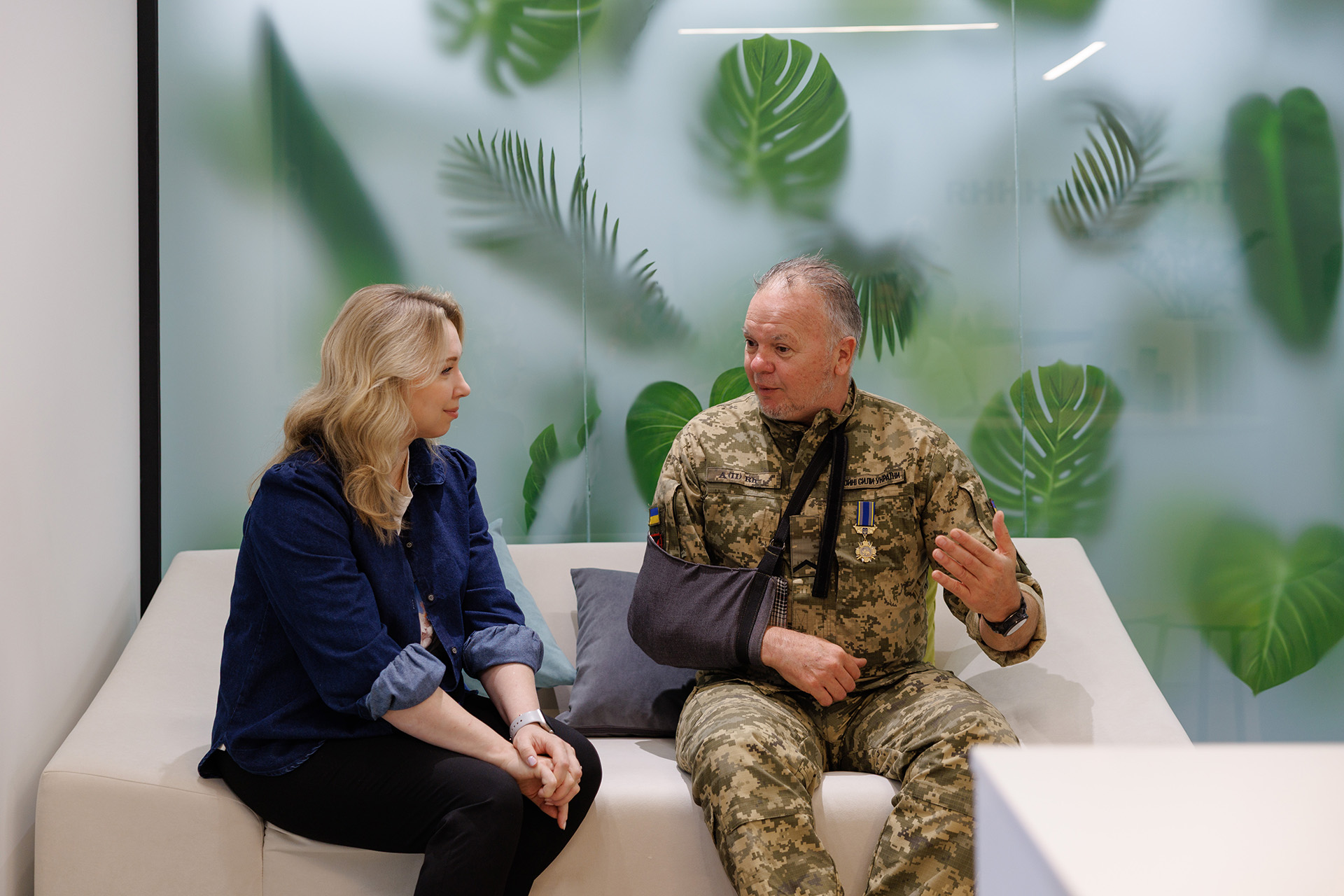
A key focus of the RETURNING center is supporting people experiencing the consequences of stress, anxiety disorders, depression, post-traumatic stress disorder (PTSD), adjustment difficulties, and psychosomatic conditions. The team will use evidence-based approaches including cognitive behavioral therapy, Gestalt therapy, trauma-focused therapy, EMDR therapy, stabilization and self-regulation techniques, as well as crisis counseling.
Lana Omelchuk, Head of the RETURNING Mental Health Center in Ternopil, emphasized:
“Our team strives to create a mentally barrier-free space for people who have experienced war-related trauma. This means that there is no stigma or prejudice surrounding mental health at the RETURNING center — every visitor feels accepted and supported. We believe that professional knowledge is important, but so is sincerity: truly listening to and accepting every patient. That is why our interactions with clients are based on empathy, respect, and an individual approach.”
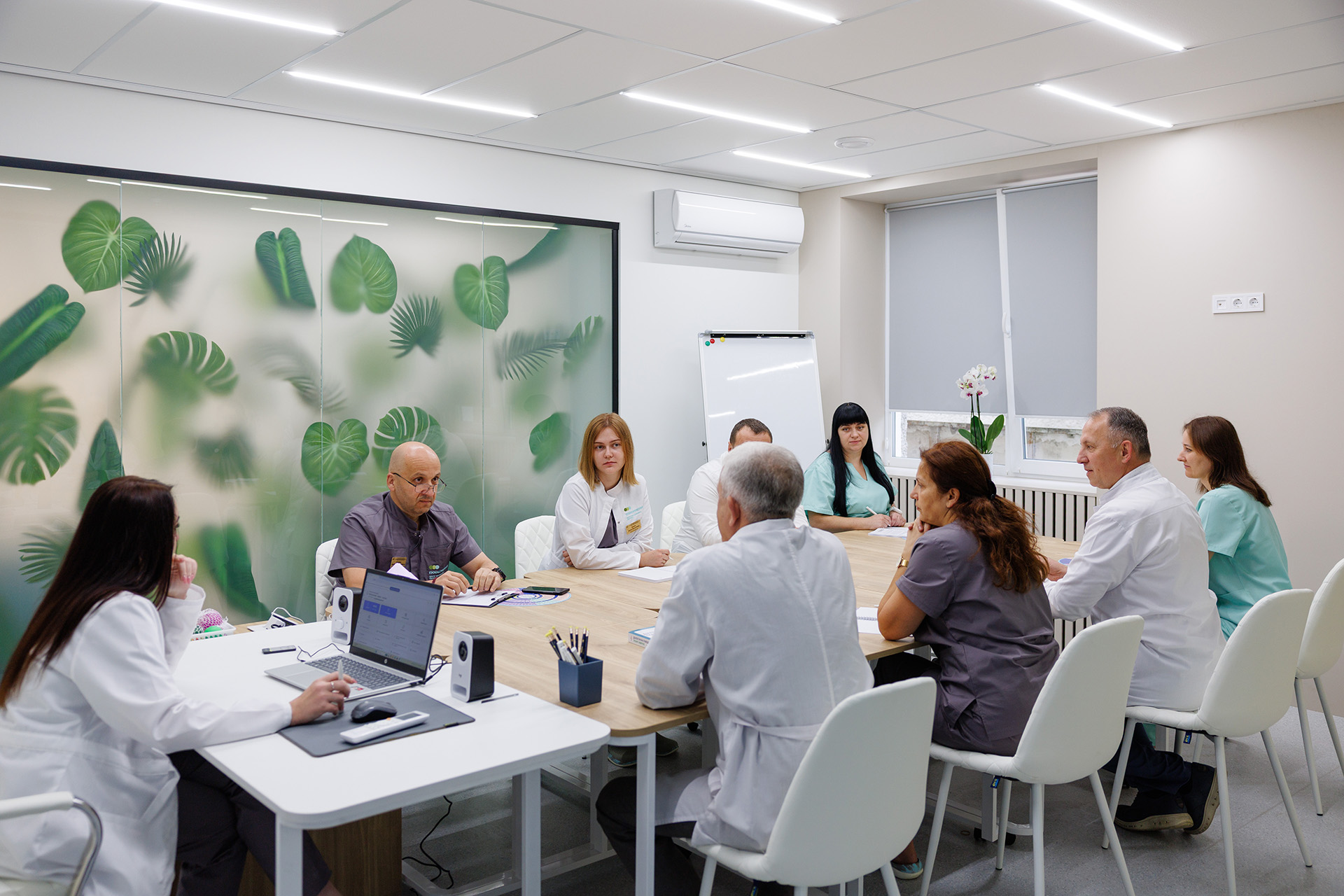
High-quality mental recovery is only possible with the involvement of qualified professionals. That is why, in cooperation with Ukrainian and international experts, the RETURNING project is implementing modern training programs for mental health professionals. The programs include practical training sessions, workshops, and supervision. They provide doctors with effective tools for working with war-related trauma and enable patients to receive the highest standard of support. To date, more than 1,000 mental health professionals have participated in educational events organized as part of the RETURNING project.
At the first stage of the RETURNING project, 20–25 mental health centers are planned to open across Ukraine. Every year, they will be able to provide free professional support to more than 100,000 military personnel, veterans, and their family members.
Other news:
The 18th Mental Health Center of the RETURNING Network, Founded by Victor and Olena Pinchuk, Has Opened in Kremenchuk
Ukrainian Mental Health Professionals Take Part in Study Visit to the United Kingdom as Part of RETURNING
The 17th Mental Health Center in the RETURNING Network Begins Operations at a National Guard of Ukraine Medical Facility
The 16th Mental Health Center in the RETURNING Network Opens in the Kyiv Region