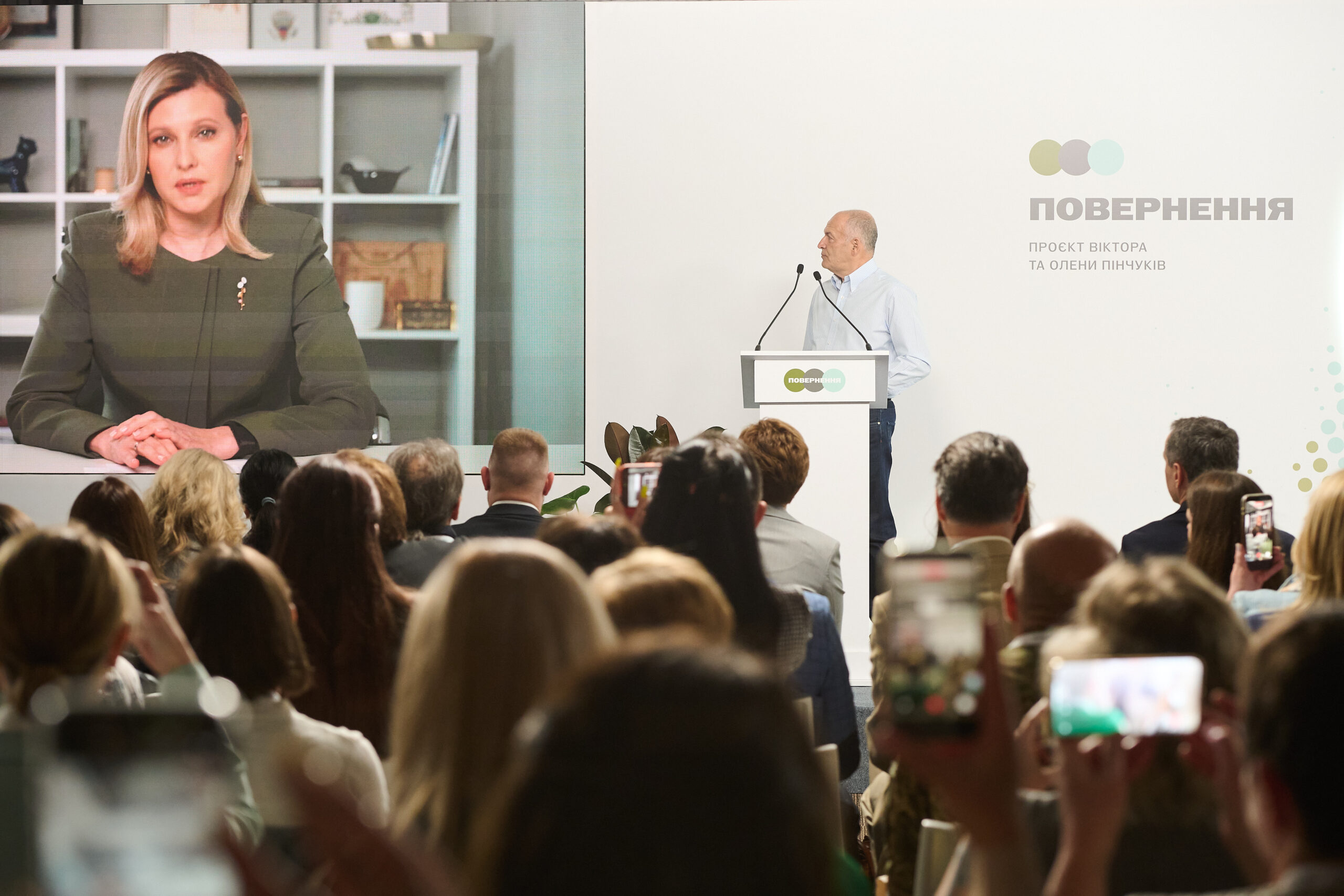
The ninth center of the nationwide RETURNING (Ukr. «ПОВЕРНЕННЯ») mental health center network has opened in Kyiv. The project was founded by Victor and Olena Pinchuk to support the mental health of Ukrainian service members and defenders, veterans, and their family members who have experienced psychological consequences of the war caused by Russian aggression.
Each year, the Kyiv center will be able to provide high-quality, free psychological support to more than 4 000 service members, veterans, and their family members.
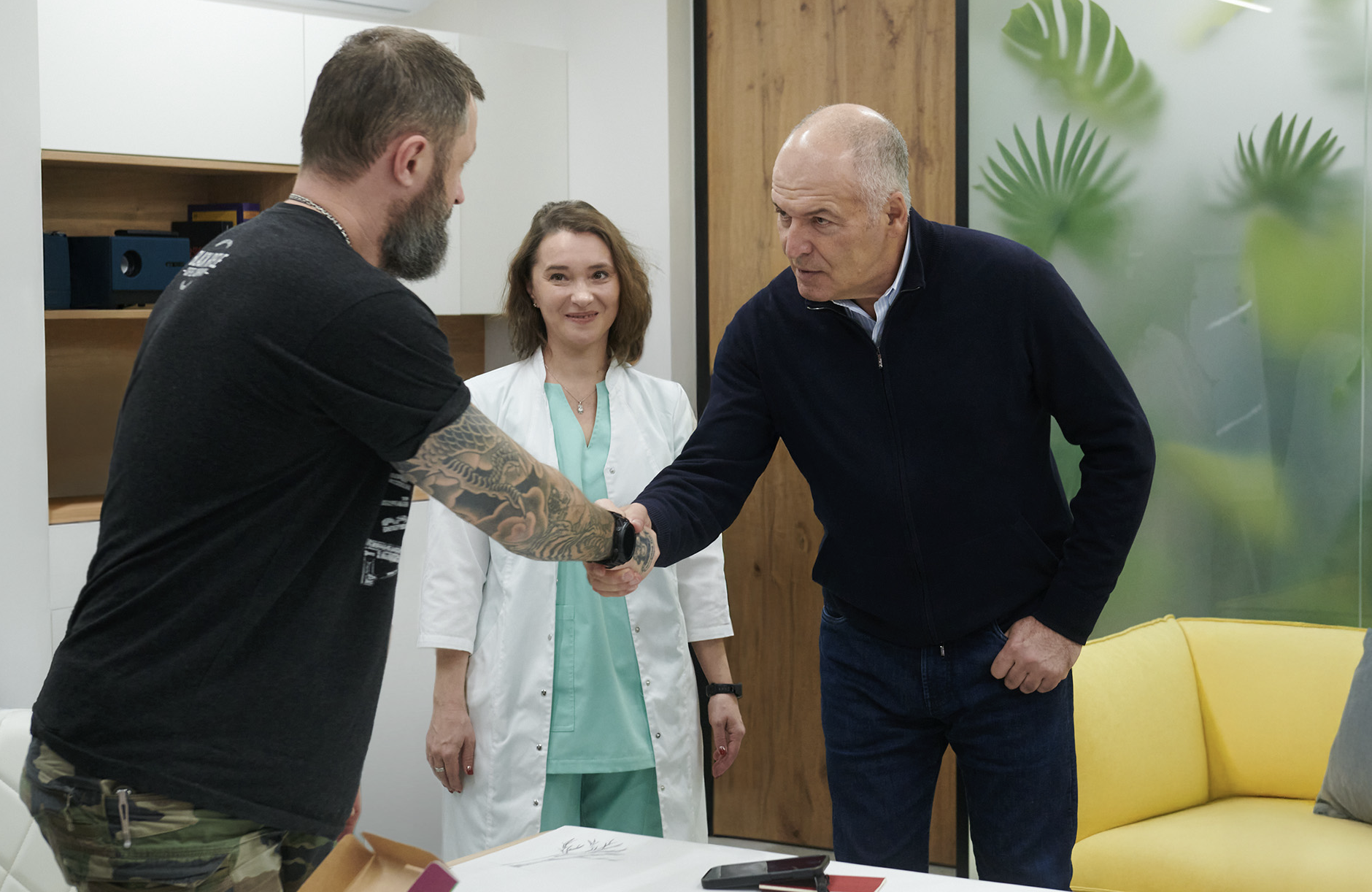
The RETURNING project demonstrates successful partnership between the private and public sectors, with philanthropists creating modern, comfortable, and barrier-free mental health centers within public healthcare institutions. The new RETURNING center has been established within one of Kyiv’s key healthcare facilities.
As part of the RETURNING project, a major renovation of part of the facility’s first floor was carried out. The center was designed in accordance with the principles of accessibility, inclusivity, and psychological safety. Wide doorways, the absence of thresholds, accessible bathrooms, and non-slip flooring create an environment where everyone can feel comfortable and treated with dignity, regardless of physical limitations or health conditions.
One of the key values of the center and the entire RETURNING network is psychological inclusivity. This means that the space, communication, and therapeutic approaches are designed so that every visitor — regardless of their experience, condition, or the severity of their trauma — feels safe, respected, accepted, and able to talk about the most difficult things without fear of being misunderstood or judged.
During the opening of the center, RETURNING project founder Victor Pinchuk said:
“RETURNING is a strategic project for me and my wife, Olena. Unfortunately, for our country, this will be a project not only for the duration of the war and not only for the coming years. I believe that the next generation will also care for the mental health of those who fought and continue to fight, as well as their family members.” Victor Pinchuk also emphasized: “We are creating these centers as an open benchmark so that the state, businesses, and philanthropists can join and scale this model. Working with veterans is not about years, but about decades. Alongside defense and economic recovery, this is one of the key areas that will shape the country’s development for many years to come.”
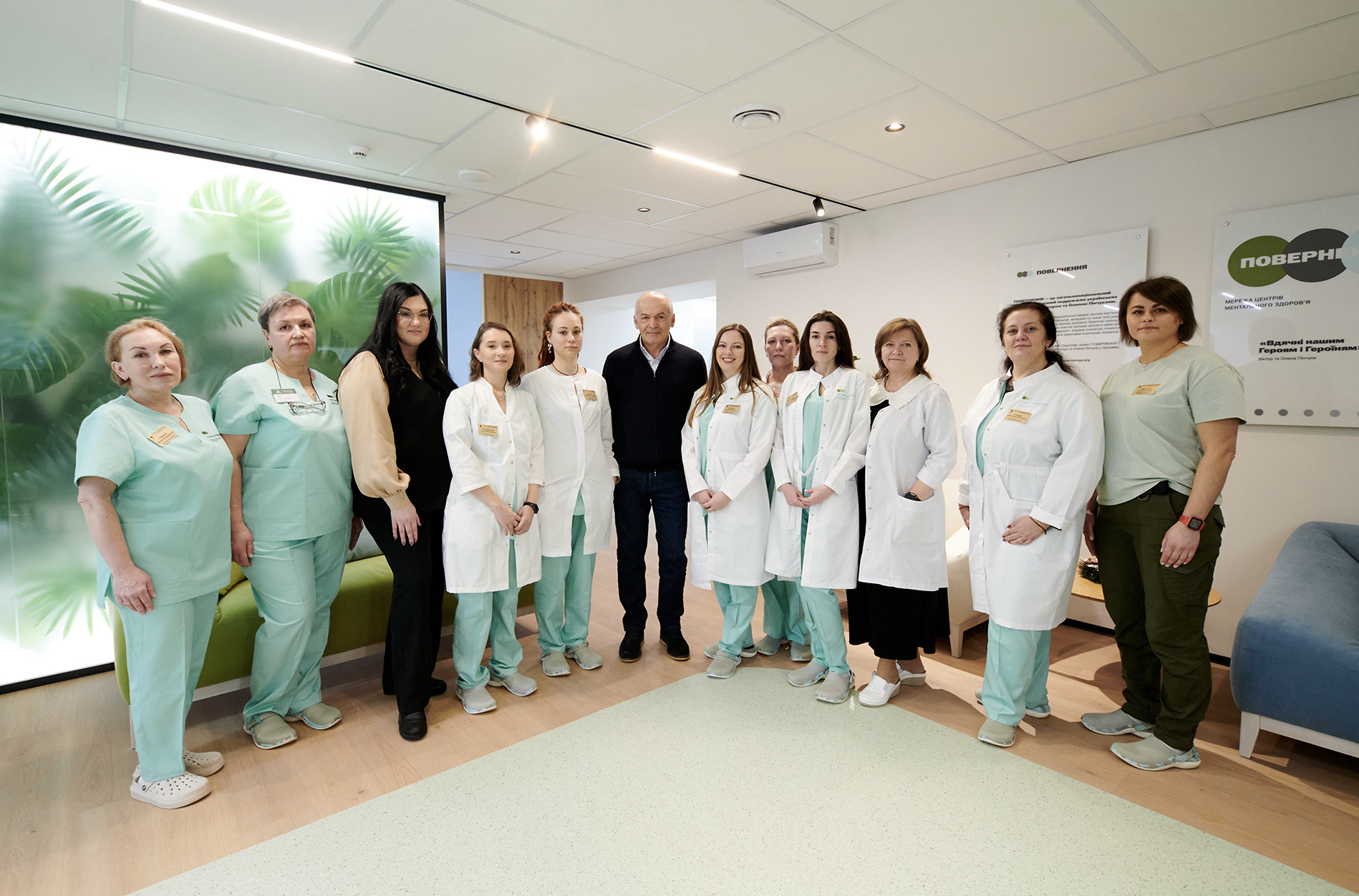
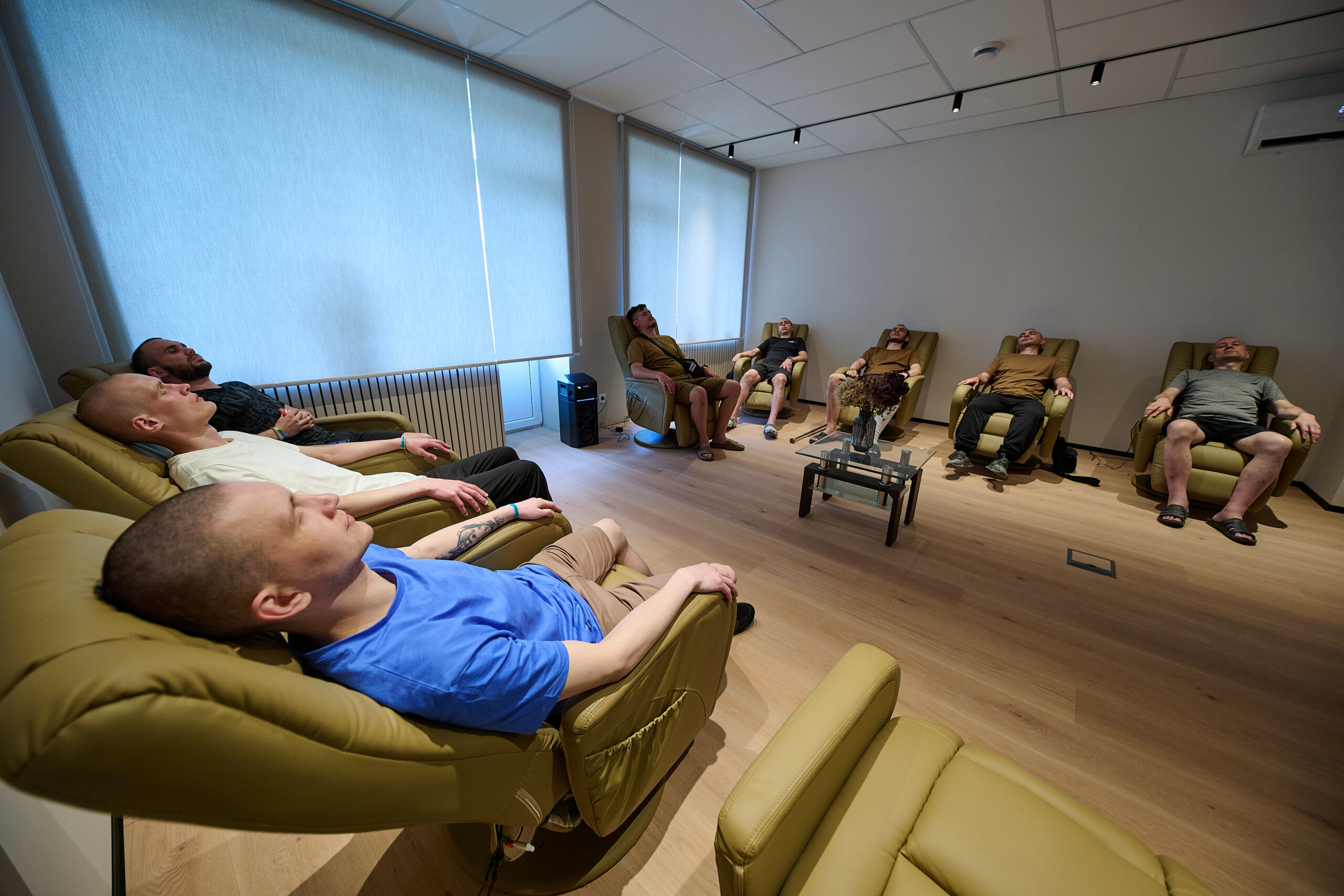
The Kyiv RETURNING center has been designed to support comprehensive care and includes rooms for individual and group therapy, a day hospital ward, a treatment room, a doctors’ office, and a reception area with a comfortable waiting space. The entire environment is designed to reduce tension, create a sense of calm and trust, and support the psychological recovery process.
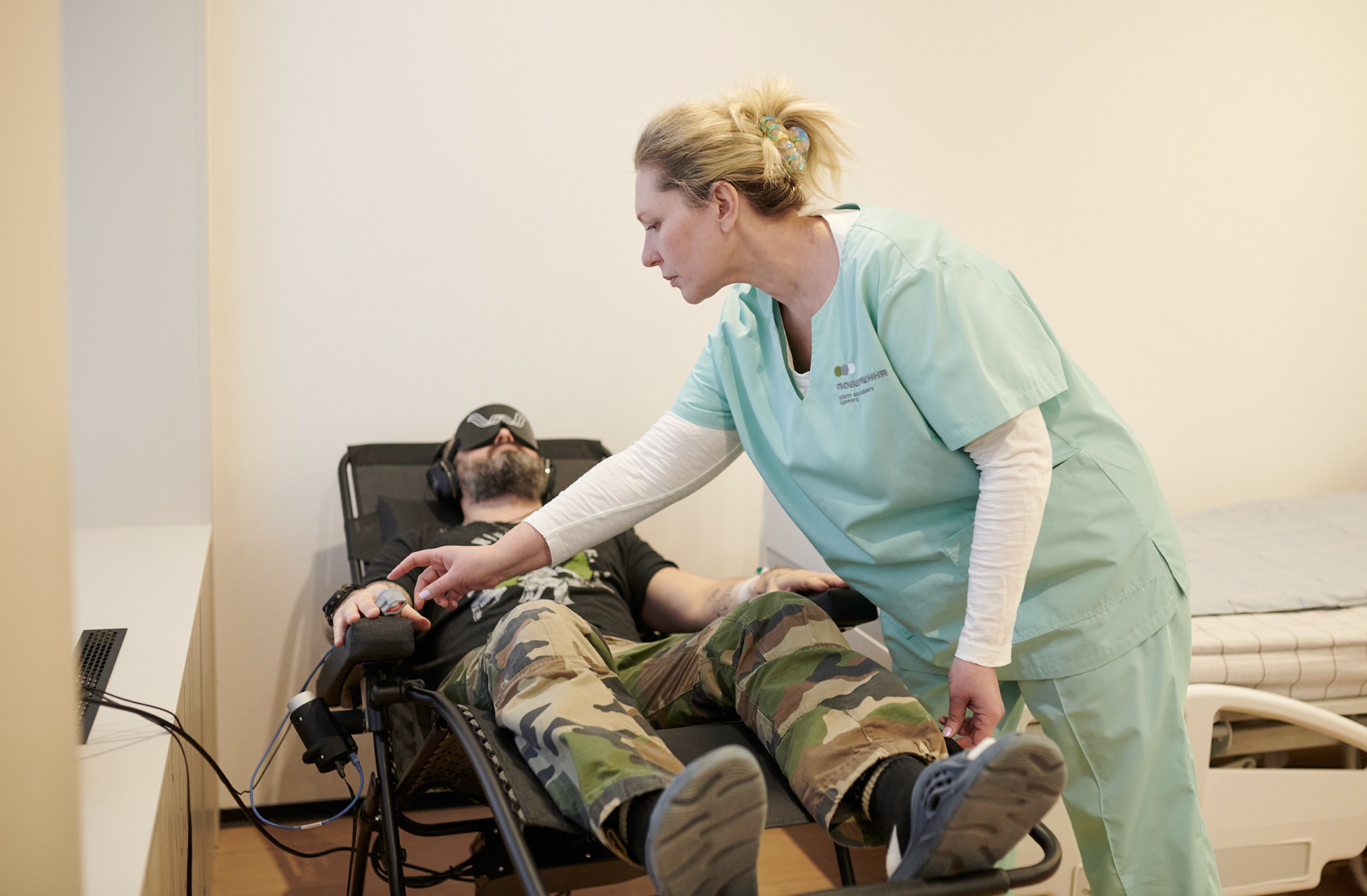
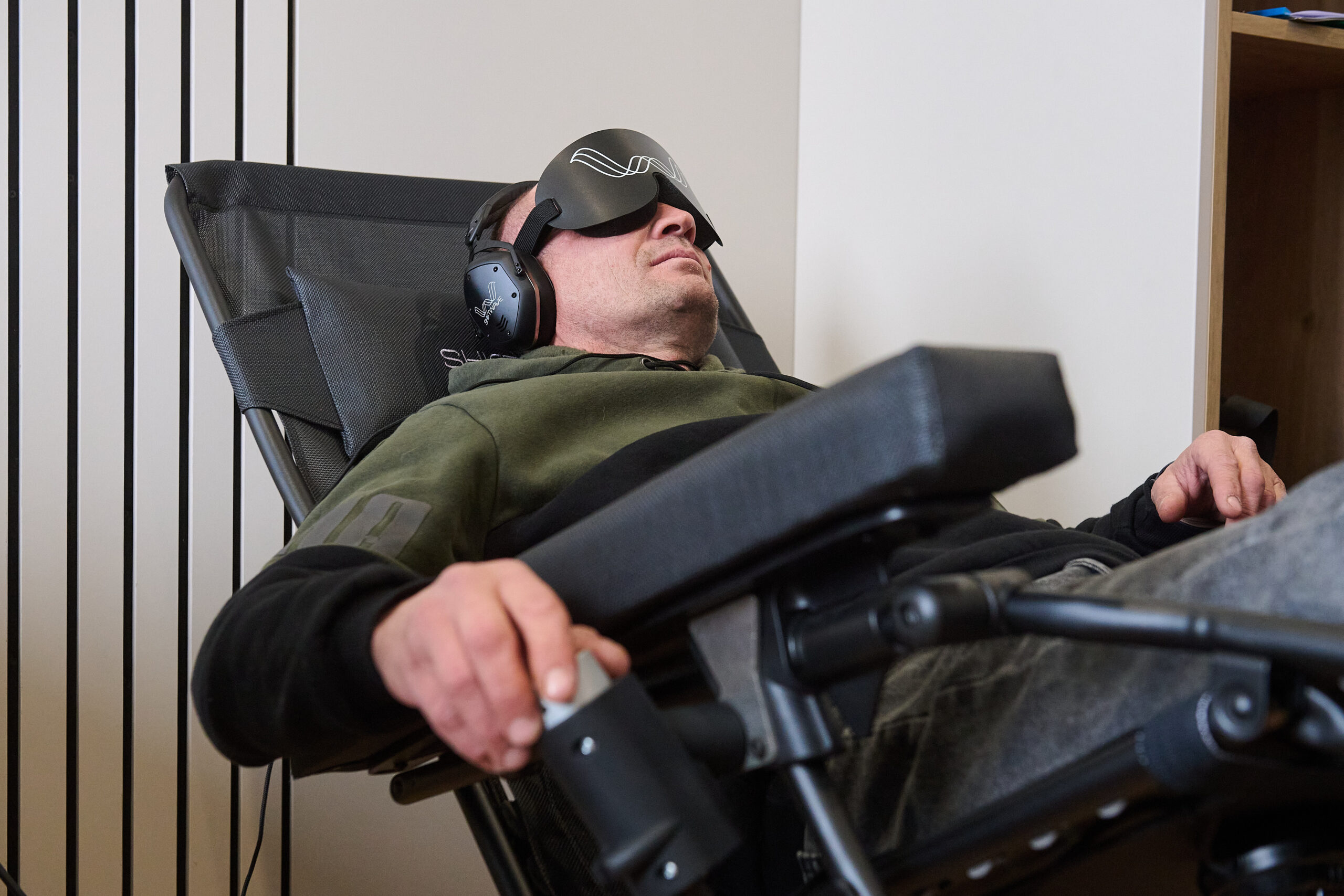
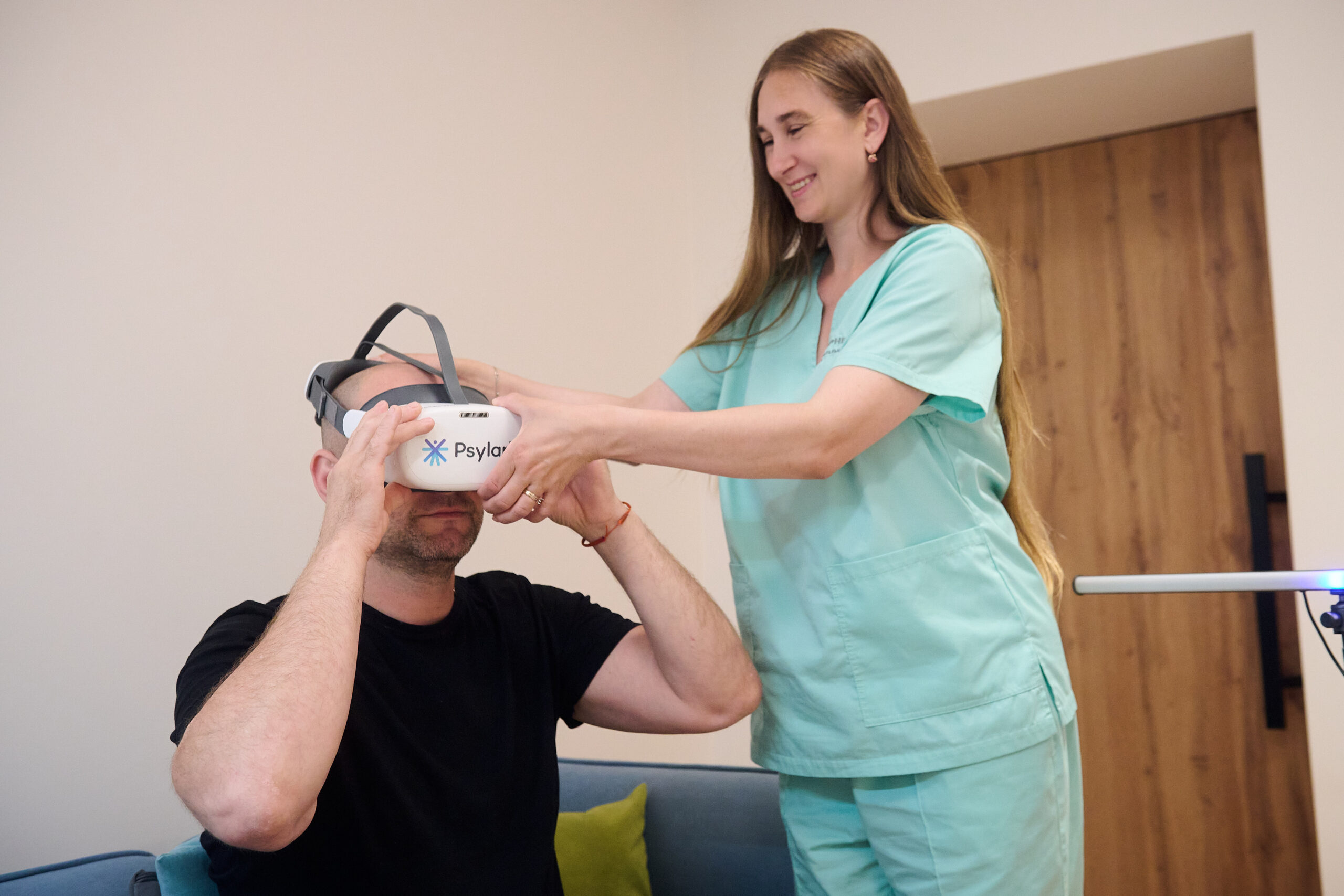
The RETURNING mental health center is equipped with the necessary equipment, technology, and therapeutic tools for working with the consequences of trauma. These include computer and multimedia equipment, the Shiftwave System for psychological relaxation and stress management, EMDR therapy tools, materials for art therapy and sensory regulation, as well as professional literature.
The center has a multidisciplinary team consisting of two physicians, two clinical psychologists, two practical psychologists, a nurse, and a veteran support specialist. This model enables a comprehensive approach to care that takes into account a person’s clinical, psychological, and social needs.
Nataliia Petrenko, head of the Kyiv mental health center, said:
“A person-centered approach to mental health means starting not with a diagnosis, but with the person — their experience, feelings, pace, and needs. It is important to us that veterans are active participants in their own recovery: that they set goals, articulate their needs, and understand the purpose of every step. This kind of cooperation creates trust, a sense of support and safety — the foundation for sustainable and long-term recovery.”
The RETURNING mental health center provides support to people experiencing the consequences of stress, anxiety and depressive disorders, post-traumatic stress disorder, psychosomatic symptoms, and difficulties adapting to civilian life. Evidence-based, trauma-informed approaches are used, with particular attention to each person’s pace, sense of safety, and gradual restoration of psychological resilience.
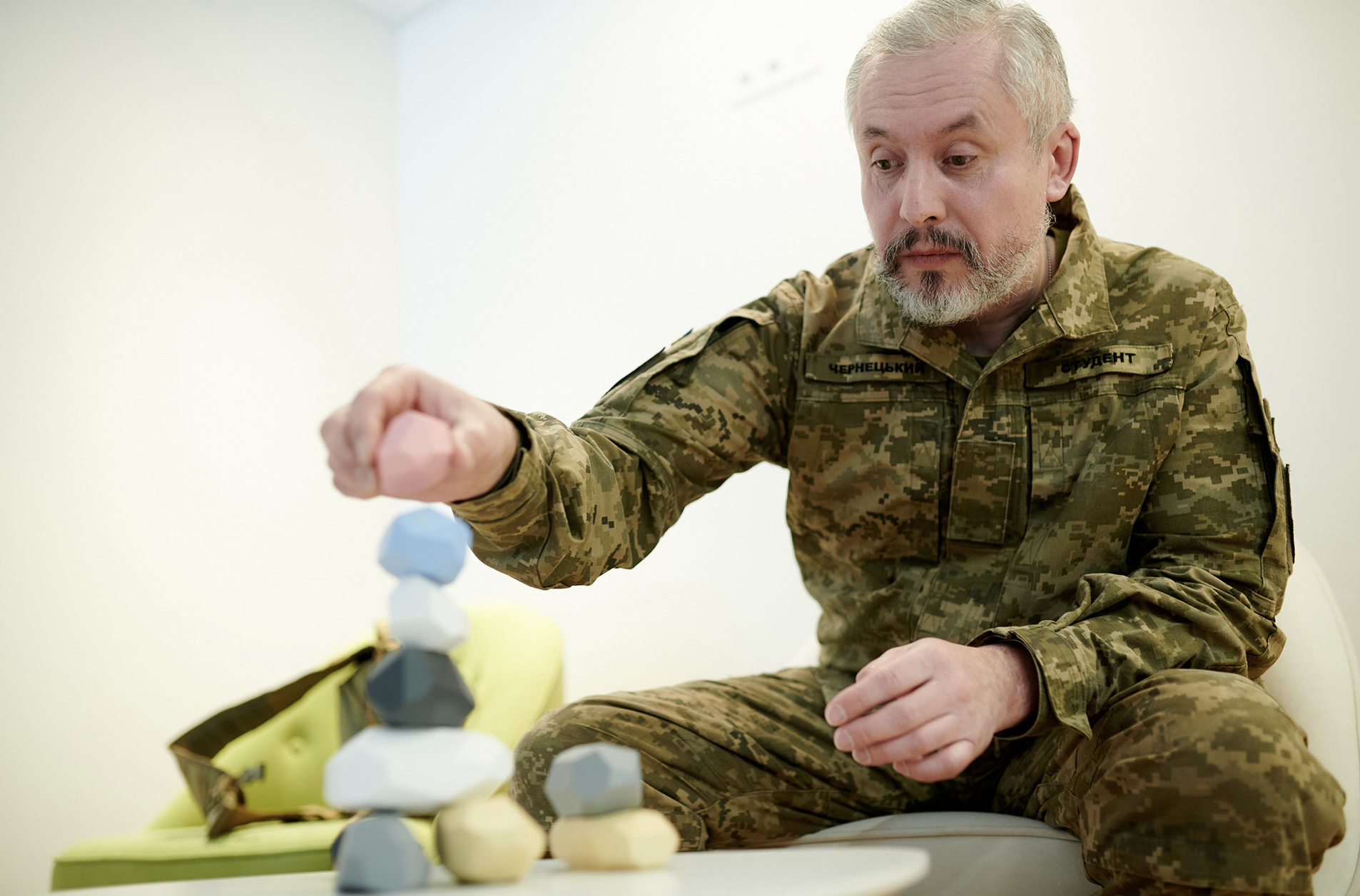
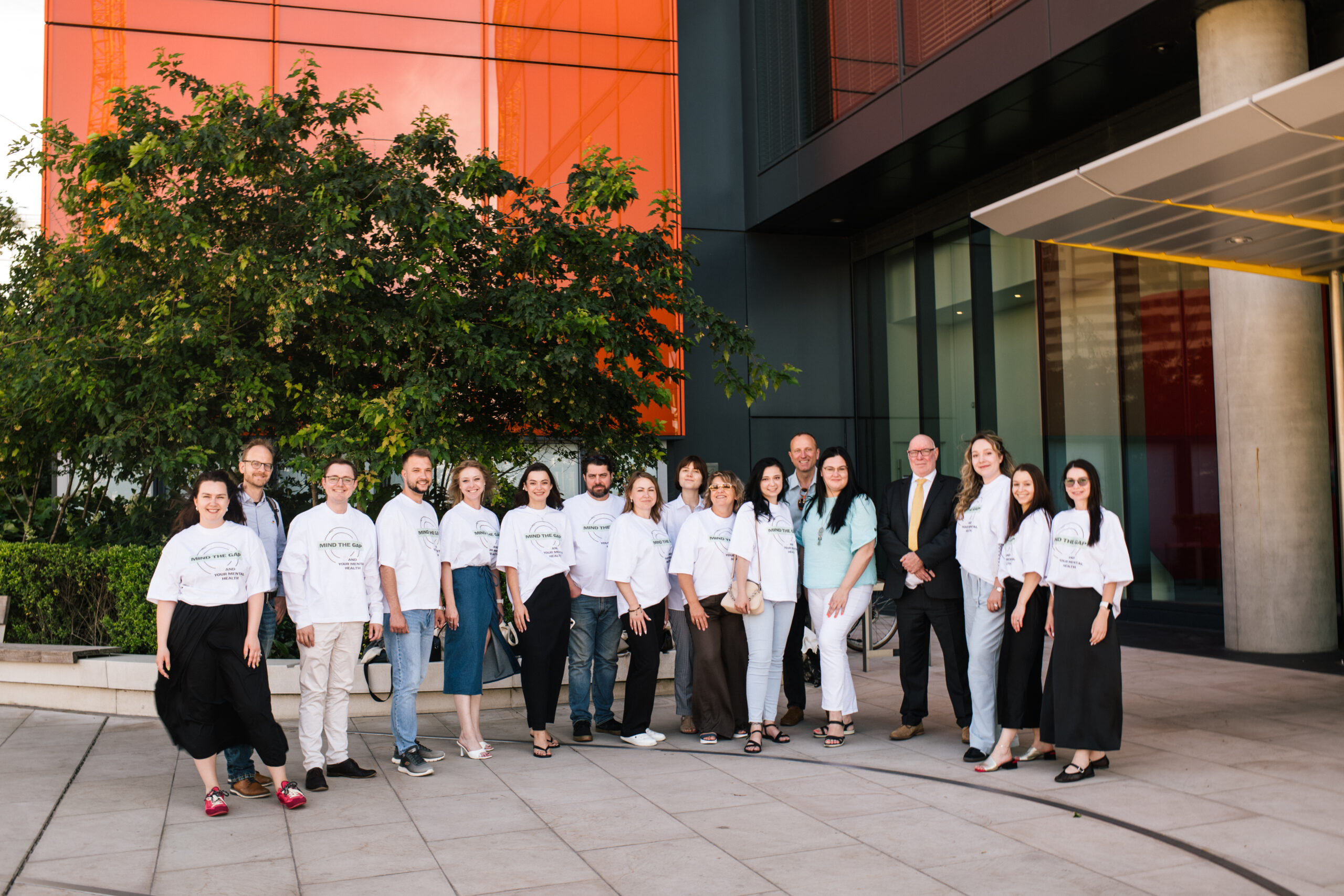
Another important component of the RETURNING project is its educational program, aimed at the systematic development of the mental health sector in Ukraine. In cooperation with Ukrainian and international experts, the project implements modern training programs for specialists, including practical training sessions, workshops, and supervision based on evidence-based methods such as EMDR, cognitive behavioral therapy, and trauma-focused therapy. This educational component helps ensure consistency in approaches, high-quality care, and the long-term impact of the RETURNING project on Ukraine’s mental health system.
The nationwide RETURNING network of mental health centers is already operating in Dnipro, Kyiv, Kropyvnytskyi, Lutsk, Poltava, Rivne, Ternopil, Khmelnytskyi, and Chernihiv, and continues to expand. All centers operate within public healthcare institutions and provide free outpatient care to service members, veterans, and their family members.
At the first stage, the project’s founders, Victor and Olena Pinchuk, plan to establish 25 RETURNING centers across Ukraine,which will be able to provide support to more than 100,000 service members, veterans, and their family members every year.
Other news:
The 18th Mental Health Center of the RETURNING Network, Founded by Victor and Olena Pinchuk, Has Opened in Kremenchuk
Ukrainian Mental Health Professionals Take Part in Study Visit to the United Kingdom as Part of RETURNING
The 17th Mental Health Center in the RETURNING Network Begins Operations at a National Guard of Ukraine Medical Facility
The 16th Mental Health Center in the RETURNING Network Opens in the Kyiv Region